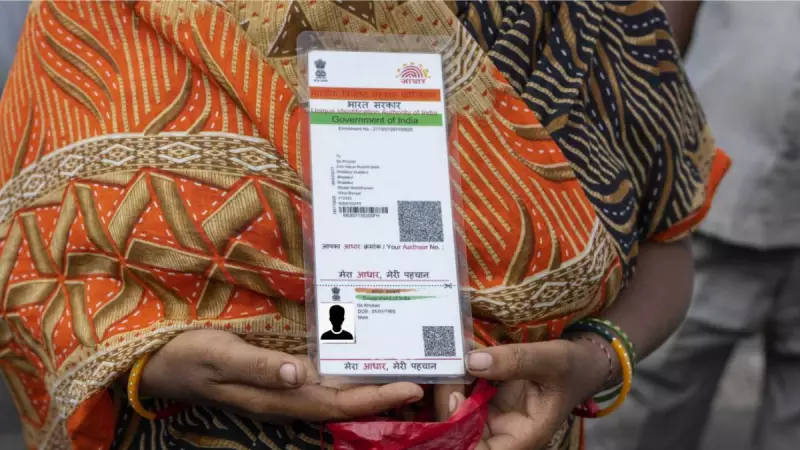
The Unique Identification Authority of India (UIDAI) has issued a vital set of security guidelines for all Aadhaar card holders. This advisory comes as a direct response to the increasing number of sophisticated scams targeting citizens' identity information. The authority aims to empower users with practical knowledge to shield their Aadhaar details from malicious actors.
Five Critical Steps to Fortify Your Aadhaar Security
The core of the UIDAI's advisory revolves around five fundamental actions every individual must take. First and foremost, the authority strongly advises against sharing your 12-digit Aadhaar number publicly on social media platforms or with unverified entities. Treat it with the same confidentiality as your bank account details.
Secondly, it is crucial to lock your biometric authentication when not in use. This can be easily done through the official myAadhaar portal (myaadhaar.uidai.gov.in) or the mAadhaar mobile application. Locking biometrics prevents any unauthorized authentication attempts, adding a powerful layer of security.

Vigilance with Documents and Verification
The third step involves careful management of physical and digital copies of your Aadhaar. When providing a copy for verification, always mention the specific purpose, such as "For bank account opening only," and add the date. This limits its misuse for other unauthorized purposes.
Fourth, the UIDAI warns citizens to be extremely cautious of phishing attempts. Do not click on suspicious links received via SMS, email, or WhatsApp that ask for your Aadhaar details, OTP, or biometrics. Official UIDAI communication will never ask for such sensitive information through such channels.
The fifth and final guideline is to regularly check your Aadhaar authentication history. This feature, available on the official UIDAI website, allows you to monitor where and when your Aadhaar was used for verification, helping you spot any unauthorized activity promptly.
Understanding the Threat Landscape and Proactive Measures
The need for these guidelines underscores the evolving nature of identity theft and financial fraud in the digital age. Scammers often use social engineering tactics to trick individuals into revealing their Aadhaar number and One-Time Passwords (OTPs), leading to unauthorized access and financial loss.
By following these steps, citizens can significantly reduce their risk. The biometric locking feature is particularly emphasized as a proactive tool, as it renders the biometric data unusable until the user voluntarily unlocks it for a specific transaction. Furthermore, the authority reminds users that Aadhaar is a proof of identity and residence, not a proof of citizenship.
In conclusion, the responsibility for Aadhaar security is a shared one. While UIDAI continues to strengthen its backend infrastructure and security protocols, citizens must exercise caution and adopt these recommended practices. Staying informed and vigilant is the most effective defense against scams attempting to compromise your Aadhaar, the cornerstone of your digital identity in India.