

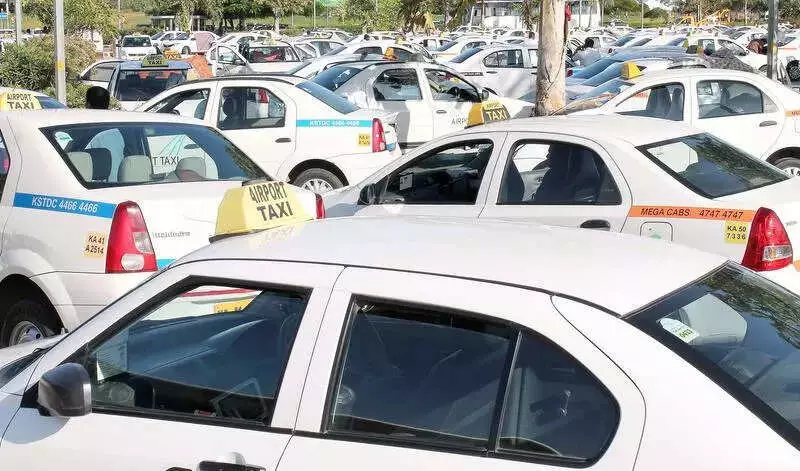
Bengaluru Airport Tests Digital Platform to Resolve Taxi Access Dispute
In response to mounting controversy over the relocation of private and individual airport taxi operators to the distant P4 parking area at Kempegowda International Airport (KIA), operator Bengaluru International Airport Limited (BIAL) is piloting a new digital system. This initiative aims to grant these vehicles access to the Karnataka State Tourism Development Corporation (KSTDC) airport taxi pick-up zone, situated approximately 100 metres from the arrival point of Terminal 1.
Collaborative Digital Framework Under Trial
According to officials, BIAL is partnering with KSTDC to leverage the latter's mobile application platform for regulated access to the pick-up zone. A trial run of this application commenced on Tuesday, marking a potential shift towards a structured and digitised framework. If deemed feasible, drivers will be required to register on the KSTDC platform and provide passenger details, including flight PNR, to enter the pick-up zone near the terminal. This would facilitate seamless passenger pick-up directly as they exit the arrival area.
Currently, these taxis have been operating from the P4 parking lot, located around 800 metres from Terminal 1's arrival point, a move that has sparked significant criticism since its implementation in December. The new arrangement follows extensive meetings between BIAL, agitated driver unions, and elected representatives, highlighting the urgency to address passenger inconveniences and driver grievances.

Official Statements and Driver Skepticism
A BIAL spokesperson elaborated, "BIAL, in collaboration with KSTDC, plans to launch a structured and digitised framework through which commercial cabs which don't fall under the airport's authorised network will be able to access the pick-up lanes at T1." Echoing this, a senior KSTDC official noted, "There is a proposal to use the KSTDC platform to provide access to pick-up lanes for drivers currently operating from P4. However, it is too early to comment on its feasibility. Once the trial run is completed, a decision will be taken based on the outcome and further discussions with BIAL."
The relocation to P4 had drawn complaints from passengers struggling with luggage and children over the increased distance. The state government intervened, instructing BIAL to resolve the issue promptly. Despite these efforts, some drivers remain sceptical about the proposed digital system. Ramesh H of the Bruhat Bengaluru Taxi Drivers' Union expressed concerns, stating, "The proposed system will come at a cost to drivers as a third party is developing and maintaining the app. It is unclear how this will benefit over 20,000 drivers who were moved to P4. We are asking BIAL to create an arrangement that is convenient for both passengers and taxi operators, without placing any financial burden."
Broader Implications for Urban Mobility
This development underscores the ongoing challenges in managing urban mobility and airport infrastructure in Bengaluru. The trial represents a critical step towards balancing operational efficiency with stakeholder interests, potentially setting a precedent for other Indian airports facing similar logistical issues. As the city continues to evolve, such collaborative efforts between public and private entities are essential for enhancing passenger experience and supporting local taxi operators.






