Bhashini Workshop in Jammu and Kashmir Showcases AI-Driven Multilingual Solutions for Governance
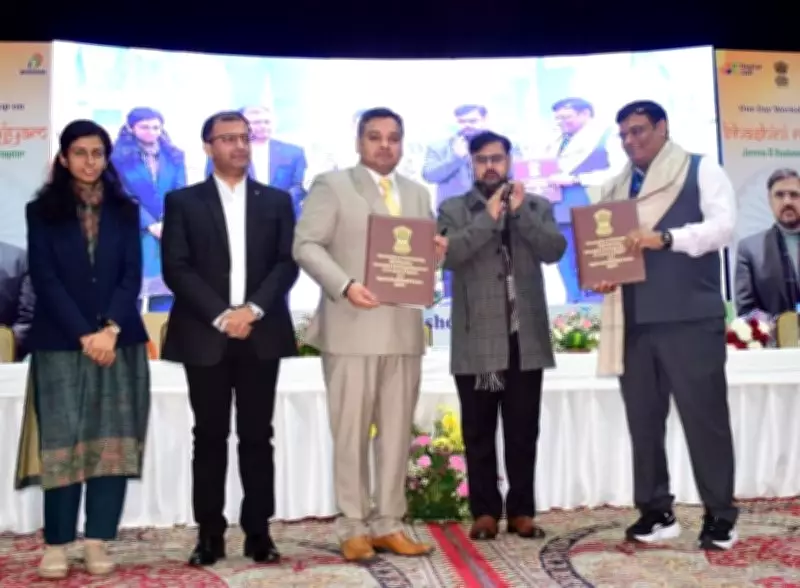
A recent workshop held in Jammu and Kashmir has brought to light the transformative potential of artificial intelligence in governance through the Bhashini initiative. This event focused on demonstrating how AI-powered multilingual tools can streamline administrative processes and improve communication between the government and citizens across diverse linguistic backgrounds.
Enhancing Public Service Delivery with Technology
The workshop emphasized the critical role of technology in modern governance, particularly in a region like Jammu and Kashmir with its rich linguistic diversity. By leveraging Bhashini's capabilities, officials can now access real-time translation and interpretation services, making it easier to disseminate information and provide services in multiple local languages. This approach not only fosters inclusivity but also ensures that no citizen is left behind due to language barriers.
Key Features of Bhashini's AI Solutions
During the session, participants were introduced to several innovative features of the Bhashini platform:

- Real-Time Translation: AI algorithms that enable instant translation of government documents and communications into various Indian languages.
- Voice Recognition: Tools that convert spoken language into text, facilitating smoother interactions in regional dialects.
- Multilingual Chatbots: Automated systems designed to handle citizen queries in multiple languages, reducing response times and improving efficiency.
- Data Analytics: Insights derived from language data to help policymakers understand regional needs and tailor services accordingly.
Bridging Language Gaps for Better Governance
The initiative aims to bridge the language gaps that often hinder effective governance in multilingual societies. By integrating Bhashini into daily administrative functions, government agencies can enhance transparency and accountability. For instance, public announcements, welfare schemes, and legal documents can be made accessible in languages such as Kashmiri, Dogri, and Urdu, ensuring wider reach and comprehension.
Experts at the workshop highlighted that this move aligns with the broader Digital India vision, promoting technological adoption in governance. They noted that such solutions could significantly reduce bureaucratic delays and foster a more connected and responsive government ecosystem.
Future Prospects and Implementation
Looking ahead, the workshop outlined plans for scaling up Bhashini's deployment across various government departments in Jammu and Kashmir. Training programs for officials are being developed to ensure seamless integration of these tools into existing workflows. The goal is to create a model that can be replicated in other states, leveraging AI to overcome linguistic challenges and enhance public service delivery nationwide.
In conclusion, the Bhashini workshop in Jammu and Kashmir marks a significant step towards smarter, more inclusive governance. By harnessing the power of AI for multilingual solutions, it paves the way for a future where technology bridges communication gaps and empowers every citizen, regardless of their language.