Bhubaneswar Launches Major Smart Traffic Signal Overhaul
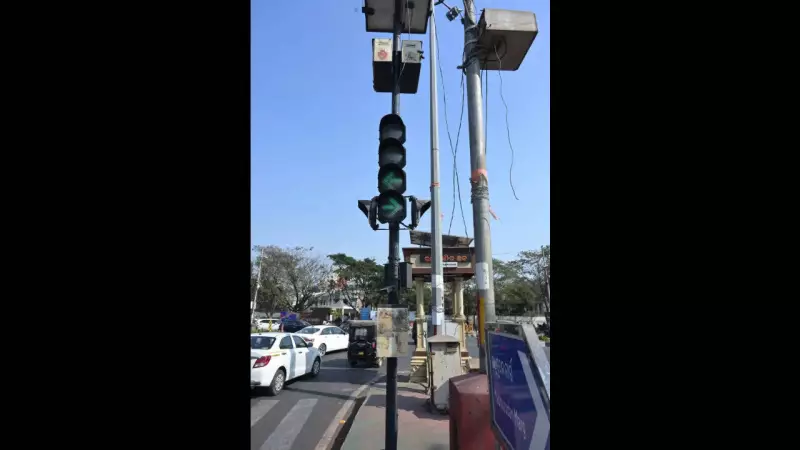
Bhubaneswar Smart City Limited has kicked off a significant initiative to transform the city's traffic management system. This ambitious project forms a core part of the smart city mission, focusing on modernizing the existing infrastructure.
Extensive Upgrades and New Installations Planned
The plan involves a comprehensive upgrade of fifty existing adaptive traffic signals. Officials also plan to install twenty-five brand new signals at key strategic junctions across Bhubaneswar. The project scope includes adding six pelican signals and five blinkers to enhance pedestrian safety and traffic flow.
This upgrade will deploy the latest Adaptive Traffic Signal Control technology. The new system will integrate seamlessly with the city's Intelligent Command and Control Centre, known as ICOMC. Engineers will reassess the current sensor-based system using up-to-date vehicle density data from each junction.

Introducing Life-Saving Emergency Priority
A groundbreaking feature of this project is the emergency vehicle priority system. This first-of-its-kind initiative for Bhubaneswar will ensure faster passage for ambulances, fire tenders, and other critical emergency vehicles through congested areas.
The system will also include a sophisticated traffic management analytics solution. It will feature simulation and prediction modules to aid real-time decision-making by traffic authorities.
BSCL General Manager Purandar Nanda explained the vision behind the technology. "The new system will use advanced algorithms to optimize signal timings, reduce congestion, and improve overall traffic flow," he said. "Our goal is to make Bhubaneswar a model smart city that excels in liveability, workability, security, and sustainability."
Project Scope and Long-Term Support
The project covers a total of seventy-five traffic signals, incorporating both the upgrades and new installations. A key component is the inclusion of five years of dedicated maintenance and operations support, ensuring the system's longevity and effectiveness.
BSCL officials confidently stated that this modernization will dramatically improve urban mobility. They emphasized it will establish a robust, data-driven framework for traffic management throughout the city.
Commuters and Residents Voice Their Support
Local commuters have welcomed the announcement with open arms, expressing hope that it will alleviate the city's worsening traffic problems.
Software professional Ananta Kumar Das shared his daily struggle. "During peak hours, junctions like Jaydev Vihar and Rupali Square become absolute nightmares," he said. "If these smart signals deliver on their promises, it will provide tremendous relief for everyone on the road."
Auto-rickshaw driver Prakash Behera highlighted the economic impact of current inefficiencies. "We waste a significant amount of fuel just idling at signals," he noted. "Smarter signal timing will save us both time and money. Many current signals don't function optimally, so I truly hope this upgrade fixes those issues and brings greater comfort to all commuters."
Rohit Mishra, a first-year engineering student, praised the emergency priority feature. "I've personally witnessed ambulances trapped in gridlocked traffic," he remarked. "This system has the potential to save lives. While traffic personnel do their best to clear paths manually, an automated system will provide much more consistent and reliable assistance."
Traffic Police Anticipate Enhanced Management
Traffic police officers have also expressed optimism about the upcoming changes. They believe integration with the ICOMC will grant them superior monitoring and management capabilities.
A traffic officer stationed at Patia Square commented on the necessity of the upgrade. "This integration will be particularly helpful during VIP movements and large public festivals," the officer said. "The current system is nearly a decade old and desperately needs this modernization to keep pace with the city's growth."

This project marks the next phase in Bhubaneswar's traffic evolution. The city previously transitioned from timer-based signals to adaptive ones during the initial smart city project rollout between 2016 and 2017.