CAQM Unveils Major Anti-Pollution Push Across Delhi-NCR
The Commission for Air Quality Management (CAQM) has announced a significant anti-pollution initiative for the Delhi-National Capital Region (NCR), making electric three-wheelers mandatory starting in 2026. This move is part of a broader strategy to combat the region's severe air pollution, which has been a persistent public health concern.
Key Measures Announced
Under the new directive, all three-wheelers operating in Delhi-NCR must transition to electric power by 2026. The commission has outlined a phased implementation plan to ensure a smooth transition for existing vehicle owners and manufacturers. Additionally, CAQM has introduced stricter emission norms for other vehicle categories and enhanced monitoring mechanisms.
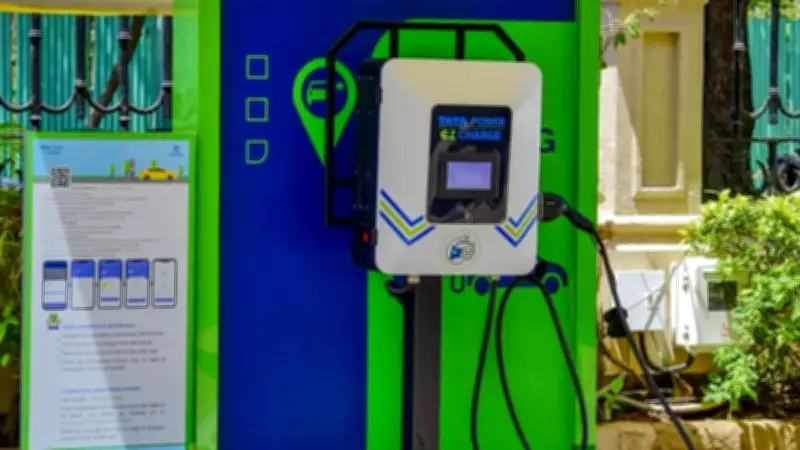
Other measures include the expansion of the electric vehicle charging infrastructure, incentives for early adoption, and penalties for non-compliance. The commission is also working with state governments to enforce the rules effectively.

Impact on Air Quality
Delhi-NCR consistently ranks among the most polluted regions globally, with vehicular emissions being a major contributor. By mandating electric three-wheelers, CAQM aims to reduce particulate matter and nitrogen oxide levels significantly. The initiative is expected to cut down a substantial portion of transport-related emissions, especially in densely populated areas.
Environmental experts have welcomed the move, calling it a crucial step toward sustainable urban mobility. However, they emphasize the need for simultaneous efforts to address other pollution sources, such as industrial emissions and crop burning.
Challenges and Implementation
While the mandate is ambitious, challenges remain. The high upfront cost of electric three-wheelers compared to conventional ones may deter small operators. To address this, the government has proposed subsidies and financing options. Additionally, the availability of charging stations must be ramped up to meet the anticipated demand.
CAQM has set up a task force to monitor progress and troubleshoot issues. Regular reviews will be conducted to ensure compliance and to adjust timelines if necessary.
Public Response
Reactions from the public and industry stakeholders have been mixed. While environmental groups applaud the initiative, some transport associations have expressed concerns about the feasibility of the deadline. The commission has assured that consultations with all parties will continue to refine the implementation strategy.
Overall, the mandate represents a bold step in India's fight against air pollution, setting a precedent for other cities to follow.