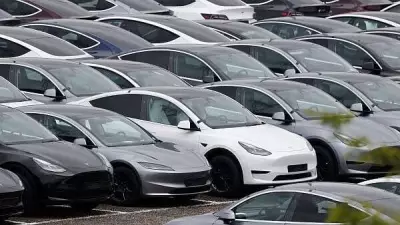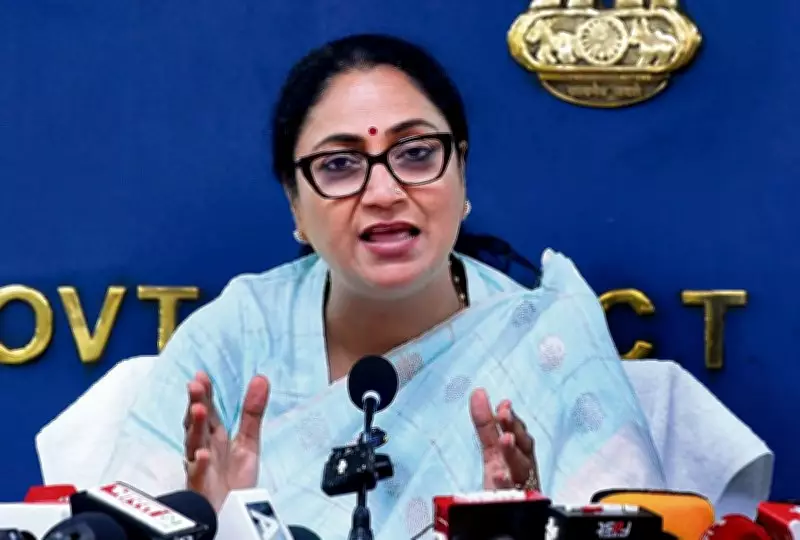
The Delhi government has approved a new electric vehicle policy that will make buying electric cars significantly cheaper starting July 1. Chief Minister Rekha Gupta announced a complete waiver of road tax and registration charges for all electric vehicles, including four-wheelers priced up to Rs 30 lakh.
Policy Details and Investment
The Delhi Electric Vehicle (EV) Policy 2026 was approved by the Delhi Cabinet on Monday and will come into effect from July 1, subject to the Lieutenant Governor’s approval. The policy will remain in force until March 31, 2030. According to the Chief Minister, the government will invest more than Rs 7,000 crore over the next four years to accelerate the transition to electric mobility. Combined with tax exemptions and other incentives, Delhi residents are expected to receive benefits worth nearly Rs 15,000 crore.
“For the first time in the country, a state is implementing an EV policy backed by such a large investment and such wide-ranging incentives,” Gupta said while addressing a press conference.

Tax Exemptions and Incentives
The biggest relief for consumers is the exemption from road tax and registration fee on all electric vehicles. For electric cars, the exemption applies only to vehicles with an ex-showroom price of up to Rs 30 lakh. For electric four-wheelers priced above Rs 30 lakh, the standard Delhi road tax rate will remain 10% for individual buyers and 12.5% for corporate buyers.
The government has also announced direct purchase incentives, which will be credited to buyers’ bank accounts through Direct Benefit Transfer (DBT). Buyers of electric two-wheelers can get incentives of up to Rs 30,000 in the first year, Rs 20,000 in the second year, and Rs 10,000 in the third year. Electric three-wheeler buyers are eligible for incentives of up to Rs 50,000 in the first year, Rs 30,000 in the second year, and Rs 20,000 in the third year. For N1-category electric goods vehicles, incentives of up to Rs 1 lakh are available. No subsidy will be provided for hybrid vehicles.
Scrapping Incentives
To encourage scrapping of old and polluting vehicles, the government announced scrapping incentives for BS-IV or older vehicles: Rs 10,000 for two-wheelers, Rs 25,000 for three-wheelers, Rs 1 lakh for four-wheelers, Rs 50,000 for N1 trucks, and Rs 15,000 for Gramin Sewa vehicles. Subsidies will be transferred directly into beneficiaries’ bank accounts within 60 days of application through a dedicated EV portal, which will be launched after July 1.
Phasing Out Fossil Fuel Vehicles
The policy lays out a roadmap for phasing out fossil fuel-powered commercial vehicles. From January 1, 2027, only electric passenger and goods-carrying auto-rickshaws in specified categories, along with N1-category electric goods vehicles, will be registered in Delhi. From April 1, 2028, only electric two-wheelers will be registered in the national capital. School transport will also gradually shift to electric mobility, with EVs expected to make up 10% of school bus fleets by the second year of the policy, 20% by the third year, and 30% by March 2030.
Charging Infrastructure and Heavy Trucks
The government said more than 30,000 public charging points will be installed across Delhi during the policy period. Land has already been identified, and charging infrastructure will be rolled out in phases. For heavy electric trucks, the first 1,000 N2-category electric trucks purchased within three months of the notification will be exempt from Delhi’s no-entry restrictions for ten years.
The Chief Minister stated that the policy aims to reduce air pollution, lower fuel expenses for residents, and make Delhi a cleaner, smarter, and more sustainable city.