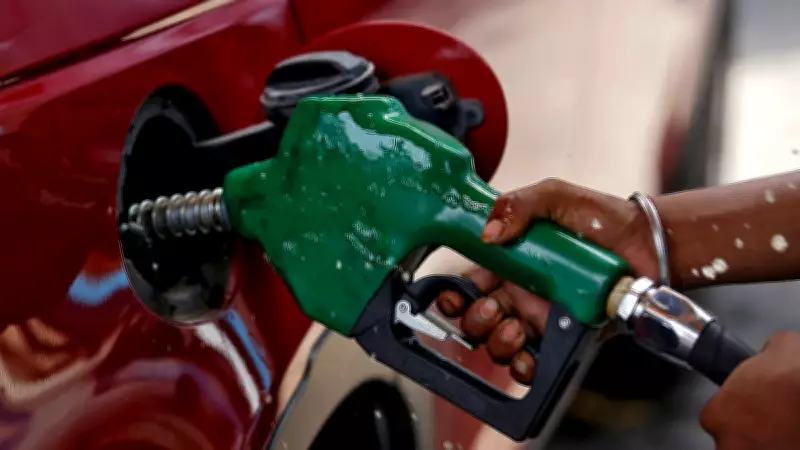
In a significant move towards energy self-reliance, India has approved the use of E100 pure ethanol as vehicular fuel. This decision marks a major step in the country's biofuel push, aiming to reduce dependence on imported crude oil. India imports over 85% of its crude oil, making fuel a major component of the import bill.
Key Highlights of the Policy
The government has officially cleared the use of 100% ethanol as fuel for vehicles. This is part of a broader strategy to promote renewable energy sources and cut down on carbon emissions. The approval is expected to boost the agricultural sector by creating demand for ethanol production.
Impact on Energy Security
With this approval, India aims to significantly cut its crude oil imports. Ethanol, being a domestically produced biofuel, offers a sustainable alternative to fossil fuels. The move aligns with global trends towards cleaner energy and supports India's commitments under the Paris Agreement.

Benefits for Farmers and Industry
The policy is likely to benefit sugarcane and grain farmers, as ethanol is primarily produced from these crops. It also opens up new opportunities for the sugar and distillery industries. The government is expected to provide incentives for ethanol production and infrastructure development.
Challenges and Implementation
While the approval is a positive step, challenges remain in terms of vehicle compatibility and refueling infrastructure. Automakers may need to modify engines, and fuel stations will require upgrades to dispense pure ethanol. The government is working on a phased implementation plan to address these issues.
The announcement was made by the Ministry of Petroleum and Natural Gas, emphasizing the importance of biofuels in achieving energy independence. The move has been welcomed by industry experts and environmentalists alike.