India's Semiconductor Mission Achieves Key Milestone: First Commercial Production Slated for 2026
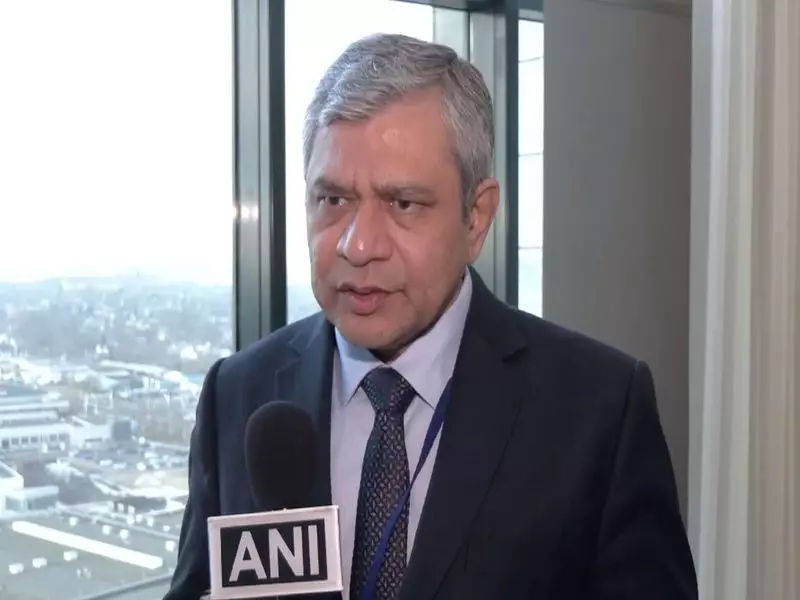
In a significant development for India's technological and industrial landscape, Union Minister for Electronics and Information Technology, Ashwini Vaishnaw, has announced that the country's first commercial semiconductor production is on track to begin in 2026. This announcement underscores the rapid progress of India's ambitious Semiconductor Mission, aimed at reducing dependency on imports and bolstering domestic manufacturing capabilities.
Vaishnaw Lauds Progress and Highlights Strategic Importance
Minister Vaishnaw expressed his satisfaction with the advancements made under the Semiconductor Mission, stating that he is "very glad to say that the first commercial production will start in 2026." This timeline aligns with the government's broader vision of positioning India as a global hub for electronics and semiconductor manufacturing. The mission, launched as part of the Production Linked Incentive (PLI) scheme, has been instrumental in attracting investments and fostering innovation in this critical sector.
The semiconductor industry is a cornerstone of modern technology, powering everything from smartphones and computers to automotive systems and defense equipment. By establishing domestic production capabilities, India aims to enhance its economic resilience, create high-skilled jobs, and secure its supply chains against global disruptions. Vaishnaw emphasized that this progress is a testament to the collaborative efforts between the government, industry stakeholders, and research institutions.

Key Components of India's Semiconductor Strategy
The Semiconductor Mission encompasses several strategic initiatives designed to accelerate growth and self-reliance. Key elements include:
- Financial Incentives: Offering substantial subsidies and incentives to both domestic and international companies to set up fabrication units (fabs) and assembly plants in India.
- Infrastructure Development: Investing in state-of-the-art facilities and supportive ecosystems, such as semiconductor parks and testing labs, to facilitate seamless production.
- Skill Development: Launching training programs and partnerships with educational institutions to build a skilled workforce capable of supporting the semiconductor industry.
- Research and Innovation: Promoting cutting-edge research in semiconductor design and manufacturing through collaborations with academia and private sector players.
These measures are expected to not only kickstart commercial production by 2026 but also lay a strong foundation for long-term growth and competitiveness in the global market.
Implications for India's Economy and Global Standing
The commencement of commercial semiconductor production in 2026 is poised to have far-reaching implications for India's economy and its role in the global technology arena. By reducing reliance on imports, which currently account for a significant portion of semiconductor consumption, India can save valuable foreign exchange and strengthen its trade balance. Moreover, this initiative is likely to spur downstream industries, such as electronics manufacturing and automotive, fostering a holistic ecosystem of innovation and employment.
Vaishnaw's announcement has been met with optimism from industry experts, who view it as a crucial step towards achieving Atmanirbhar Bharat (self-reliant India) in the technology domain. As the world grapples with supply chain challenges and geopolitical tensions, India's proactive approach to semiconductor self-sufficiency could enhance its strategic autonomy and attract further investments from global tech giants.
In conclusion, the progress of India's Semiconductor Mission, as highlighted by Minister Ashwini Vaishnaw, marks a pivotal moment in the nation's journey towards technological sovereignty. With the first commercial production slated for 2026, India is well on its way to becoming a key player in the global semiconductor industry, driving economic growth and innovation for years to come.