India's Semiconductor Ambition Transitions from Design to Production Phase in 2026
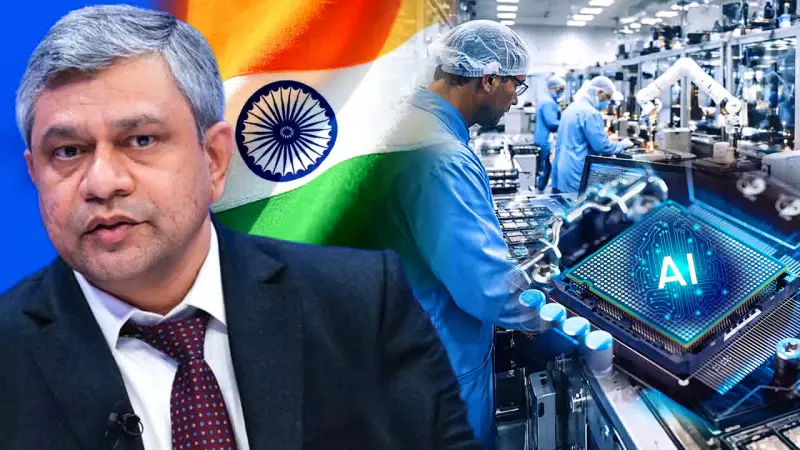
In a significant development for India's technology sector, Union Minister Ashwini Vaishnaw has confirmed that the country's semiconductor push is entering its production phase. During his recent visit to ASML in the Netherlands, Vaishnaw emphasized that four semiconductor manufacturing plants in India are scheduled to commence commercial operations in 2026.
Lithography Technology: The Backbone of Chip Manufacturing
Vaishnaw highlighted the critical importance of lithography technology during his discussions at ASML, describing it as the fundamental backbone of modern chip manufacturing. This technology, which involves patterning silicon wafers with extreme precision, is essential for producing advanced semiconductors that power everything from smartphones to defense systems.
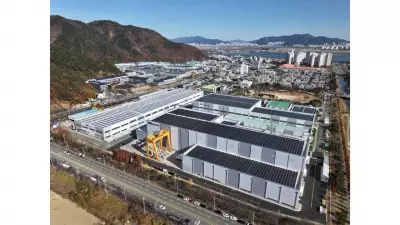
The Dholera semiconductor fabrication facility will be equipped with ASML's state-of-the-art lithography tools, positioning India firmly on the global semiconductor manufacturing map. This strategic partnership represents a major milestone in India's journey toward technological self-reliance.

Global Interest in India's Semiconductor Ecosystem
India's semiconductor initiative is already attracting significant attention from international equipment manufacturers. Several factors are driving this global interest:
- Established design expertise that has made India a hub for semiconductor design
- A growing pool of skilled technical professionals
- Consistent and supportive policy environment for technology investments
- Strategic geographic positioning in global supply chains
This convergence of factors creates an attractive ecosystem for semiconductor manufacturing, with global companies recognizing India's potential as both a production base and a significant market.
Geopolitical Significance of Semiconductor Sovereignty
Semiconductors have evolved beyond their technical role to become central elements in global power dynamics. Recent chip shortages have demonstrated how these tiny components can reshape:
- International trade relationships
- Economic competitiveness between nations
- National security considerations
- Technological innovation capabilities
India's semiconductor strategy represents more than just industrial development—it's about securing technological sovereignty in an increasingly digital world. As Vaishnaw noted, this initiative moves beyond merely catching up with established players to establishing India's independent capabilities in this critical sector.
The 2026 production timeline marks a crucial phase in India's semiconductor journey, transitioning from design excellence to manufacturing capability. This development positions India to participate more actively in global semiconductor supply chains while reducing dependence on imports for these essential components.