Mumbai's First Driverless Pod Taxi: 8.85-km Network with 22 Stations to Ease BKC Congestion
In a significant leap forward for urban transportation, Maharashtra Chief Minister Devendra Fadnavis has officially announced the launch of Mumbai's inaugural driverless pod taxi system. This groundbreaking personal rapid transit network is set to be constructed within the bustling Bandra Kurla Complex (BKC), with Phase I slated for completion in just 20 months. The project represents a major milestone in the city's ongoing efforts to modernize its public transport infrastructure and tackle persistent traffic congestion.
Bhoomi Pujan and Project Launch Ceremony
The formal commencement of this ambitious initiative was marked by a traditional bhoomi pujan ceremony, performed by Chief Minister Devendra Fadnavis himself. The event, which saw the launch of construction work for the initial 3.36-kilometer Phase I stretch, was attended by key dignitaries including Deputy Chief Minister Eknath Shinde and Sunetra Pawar. Their presence underscored the high-level governmental support and commitment to transforming Mumbai's mobility landscape.
Implementation by MMRDA
The Mumbai Metropolitan Region Development Authority (MMRDA) has been entrusted with the implementation of this visionary project. As the primary agency responsible for regional development, MMRDA is spearheading this endeavor as part of a comprehensive strategy to enhance transport connectivity across Mumbai's vital commercial hub. The authority's involvement ensures that the pod taxi system will be integrated seamlessly into the broader urban planning framework.

Route Details and Connectivity Points
The initial corridor of the pod taxi network will establish a crucial link between the Kurla terminal station and the Bandra East terminal station. This route has been meticulously planned to pass through several major locations, ensuring optimal accessibility for commuters. Key points along the path include:
- LBS Marg
- MMRDA Pay and Park (G Block)
- BDB Gate 11
- Kalanagar
- Old MMRDA building
- Excise department
Comprehensive Network Vision
Beyond the initial phase, the project envisions a much larger 8.85-kilometer network comprising 22 strategically placed stations. This extensive system is specifically designed to provide first- and last-mile connectivity across BKC, Kurla, and Bandra East. By offering a convenient and efficient alternative, the pod taxi network aims to significantly reduce the reliance on multiple transport modes, thereby streamlining daily commutes for thousands of residents and professionals.
Pod Specifications and Operational Features
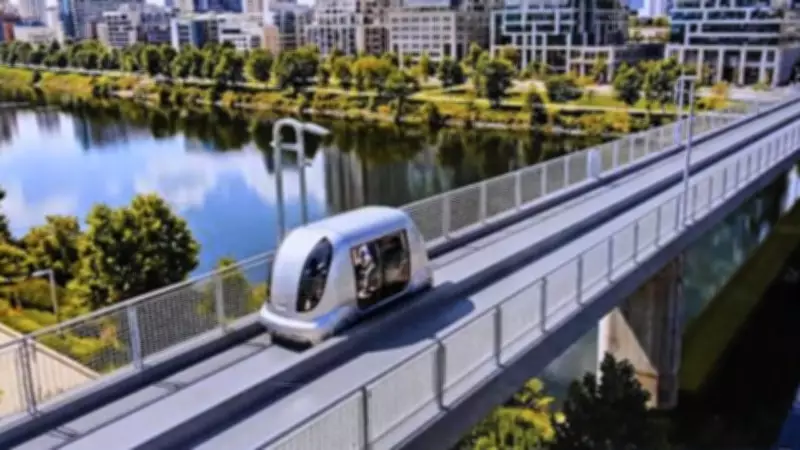
Officials have revealed that the pods will be six-seater, fully automated, and battery-operated vehicles. Capable of reaching speeds up to 40 kilometers per hour, these pods will operate with an impressively short headway of just 15 seconds. A key feature of the system is its on-demand stopping mechanism; pods will only halt at stations specifically selected by passengers, ensuring a swift and personalized travel experience.
Integration with Existing Metro Network
To create a truly multi-modal transport ecosystem, the pod taxi network will be integrated with Mumbai's expanding metro lines. It will connect with Metro Line 3 at BKC and Metro Line 2B near ITO and IL&FS. This strategic integration is expected to facilitate smoother transitions for commuters, allowing them to switch between different modes of public transport with unprecedented ease and efficiency.
Depot for Operations and Maintenance
A dedicated depot is planned in Bandra East to support the day-to-day operations and maintenance of the pod taxi fleet. This facility will be crucial for ensuring the system's reliability, safety, and overall efficiency. By centralizing maintenance activities, the depot will help minimize downtime and keep the pods running smoothly to meet the high demand anticipated in this busy commercial district.

Expected Ridership and Impact on Congestion
Projections indicate that the full network will serve approximately 1.1 lakh daily commuters by the year 2031. This substantial ridership is expected to have a transformative impact on traffic patterns in one of Mumbai's most congested business districts. By providing a viable alternative to private vehicles and traditional taxis, the pod taxi system aims to:
- Reduce overall traffic congestion
- Improve travel efficiency
- Lower carbon emissions through eco-friendly operations
Government Support and Vision for Congestion Reduction
Chief Minister Devendra Fadnavis has emphasized the government's unwavering support for the project, pledging to swiftly resolve any hurdles from regulatory agencies. In his remarks, he highlighted the system's potential to revolutionize urban mobility: "A person alighting either from the metro or a suburban train will not be required to use another mode of public transport thereafter. He can reach within a distance of 100 to 150 metres by this pod taxi." This statement underscores the project's core objective of cutting travel time and promoting sustainable, eco-friendly mobility solutions for Mumbai's growing population.