Pancham Digital Chatbot: A Digital Leap for Village Panchayats
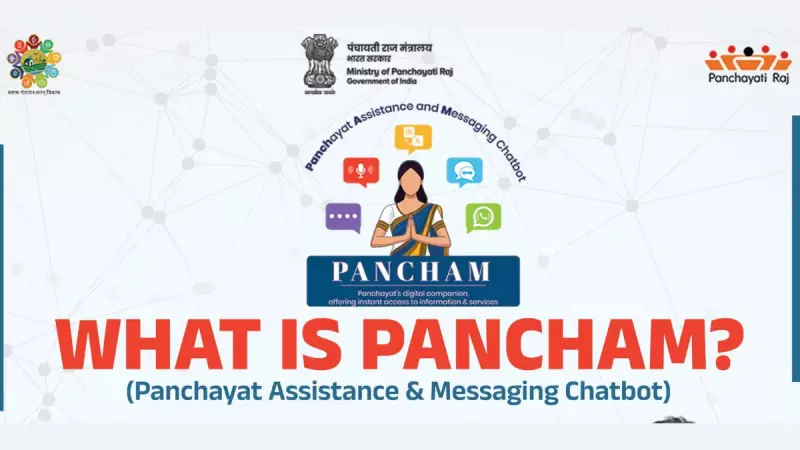
In a significant move towards enhancing rural governance, the Indian government has introduced the Pancham Digital Chatbot, an innovative AI-powered tool aimed at revolutionizing how village panchayats operate. This chatbot is designed to bridge the digital divide in rural areas by providing instant, accessible support for local administrative needs.
How the Pancham Digital Chatbot Will Work
The Pancham Digital Chatbot functions as a virtual assistant for panchayat members and villagers alike. It operates through a simple interface, likely accessible via smartphones or basic mobile devices, making it user-friendly even in areas with limited digital literacy. Key features include:
- Instant Information Access: Users can query the chatbot to get details on government schemes, subsidies, and eligibility criteria without navigating complex websites or paperwork.
- Grievance Redressal: The chatbot allows villagers to report local issues, such as water supply problems or road repairs, directly to panchayat authorities, streamlining the complaint process.
- Administrative Support: Panchayat officials can use the tool for tasks like updating records, scheduling meetings, and accessing training materials, thereby improving efficiency.
- Multilingual Capabilities: To cater to India's diverse linguistic landscape, the chatbot is expected to support multiple regional languages, ensuring wider adoption.
By leveraging artificial intelligence, the chatbot can understand natural language queries and provide accurate responses, reducing the dependency on human intermediaries and minimizing delays.

Why the Pancham Digital Chatbot Matters for Village Panchayats
The introduction of the Pancham Digital Chatbot is a game-changer for rural governance for several reasons. First, it empowers panchayats by digitizing their operations, aligning with the Digital India initiative to promote technology in grassroots administration. This can lead to better transparency and accountability, as all interactions are logged and traceable.
Second, it addresses the challenge of accessibility in remote villages. Many rural areas lack consistent internet connectivity or tech-savvy personnel, but the chatbot's design aims to overcome these hurdles by being lightweight and easy to use. This could democratize access to government services, ensuring that even the most isolated communities benefit from digital advancements.
Moreover, the chatbot has the potential to boost civic engagement. By simplifying communication between villagers and panchayats, it encourages more people to participate in local governance, fostering a sense of community ownership. Over time, this could lead to improved service delivery and enhanced quality of life in rural India.
In summary, the Pancham Digital Chatbot represents a forward-thinking approach to rural development. As it rolls out, it will be crucial to monitor its implementation and user feedback to ensure it meets the unique needs of village panchayats across the country.