Thiruvananthapuram: The much-anticipated CITIIS 2.0 (City Investments to Innovate, Integrate and Sustain) solid waste management programme is expected to receive final approval from the Union government this week, paving the way for the launch of one of the biggest urban sanitation and waste management initiatives in Kerala.
Final Approval Expected Soon
Officials of Smart City Thiruvananthapuram Ltd (SCTL), the nodal agency implementing the project along with the city corporation, confirmed that all procedural formalities and the submission of the detailed project report (DPR) have been completed. The proposal is currently under final evaluation by the Centre.
“We are expecting final clearance between May 26 and 30. Once the approval comes, implementation activities can begin in June,” a senior SCTL official told TOI.

The official added that the agreement between SCTL and the corporation for executing the project would also be signed next month.
Part of National CITIIS 2.0 Programme
The project is part of the Centre-backed CITIIS 2.0 programme, launched as a successor to the Smart Cities Mission. It focuses on climate-resilient urban development, circular economy practices, and integrated waste management systems.
Thiruvananthapuram was selected as the only city from Kerala among 18 cities chosen nationwide under the programme after a competitive evaluation involving more than 80 smart cities. The scheme is supported by the Ministry of Housing and Urban Affairs along with international partners including the French Development Agency (AFD), the European Union, and the German development bank KfW.
Addressing the City's Waste Challenge
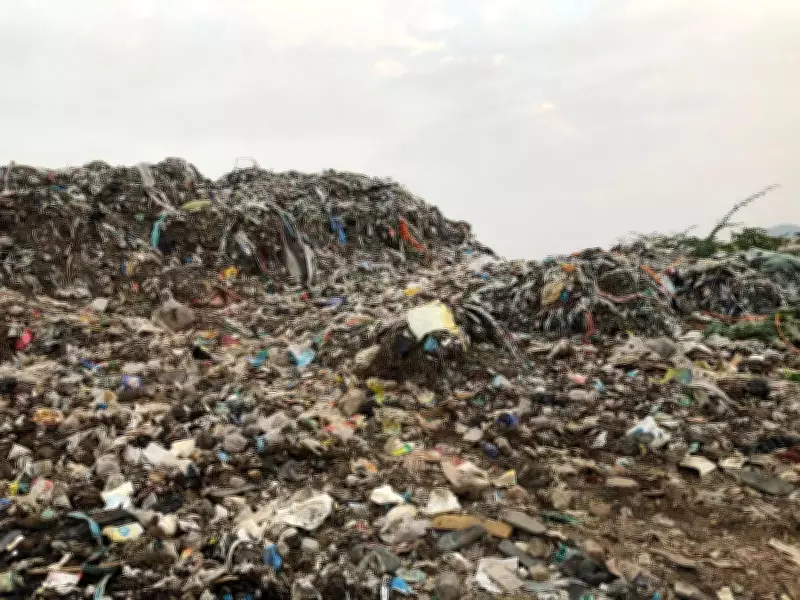
According to official estimates, the capital generates more than 350 tonnes of solid waste every day. The proposed project aims to scientifically process the entire waste generated in the city and move towards achieving a ‘zero-garbage city’ status through decentralised and technology-driven waste management systems.
Key Components of the Project
- Installation of organic waste converters
- Material collection facilities
- Recycling and refuse-derived fuel (RDF) plants
- Sensor-based aerobic bins
- Automatic waste sorting systems
- IT-enabled waste collection monitoring mechanisms
- Road-cleaning and drain-maintenance machinery including suction and sweeping vehicles
A senior corporation official said the project would significantly strengthen the city’s existing decentralised waste management network.
“The aim is not just waste disposal but converting waste into a resource through scientific processing and revenue generation. This will help improve sanitation standards and reduce the burden on the city’s current waste-handling system,” the official explained.
Inspired by Global Best Practices
Officials noted that the project is inspired partly by Copenhagen’s circular economy-based waste management model. The initiative is expected to be completed in phases by 2027, marking a major step forward in sustainable urban waste management for the city.