Uttar Pradesh Electric Vehicle Policy: A Comprehensive Push for Clean Mobility
The transition to electric vehicles represents more than just a shift in transportation technology; it is a broader transformation. Recognizing this opportunity, the Uttar Pradesh government introduced the Uttar Pradesh Electric Vehicle Manufacturing and Mobility Policy, 2022, aiming to position the state as a leading hub for electric mobility, EV manufacturing, battery production, charging infrastructure, and clean transportation.
Turning Possibility into Adoption
To encourage the adoption of electric vehicles, the policy offers 100 percent exemption from road tax and registration fees on eligible EVs purchased and registered in Uttar Pradesh during the policy period. The government has also introduced purchase incentives across various vehicle categories:
- Electric two-wheelers: subsidy of 15 percent of ex-factory cost, up to ₹5,000.
- Electric three-wheelers: up to ₹12,000.
- Electric four-wheelers: incentives up to ₹1 lakh.
- Electric buses: up to ₹20 lakh.
- Electric goods carriers: up to ₹1 lakh.
Focusing on a Strong Network
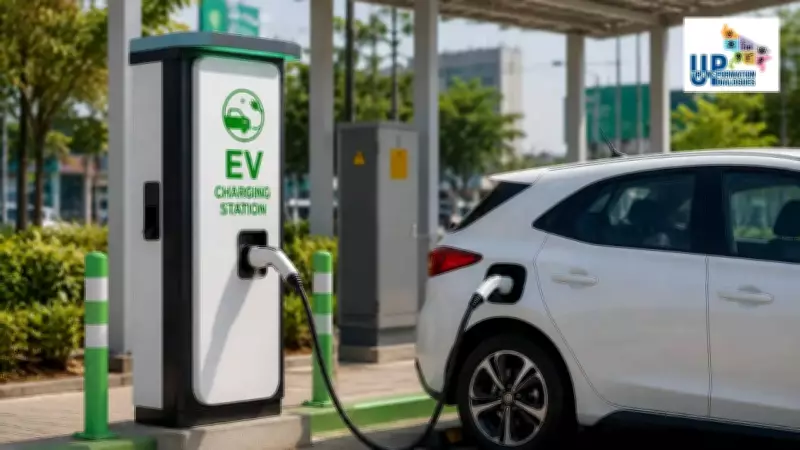
Recognizing that widespread EV adoption depends on accessible charging infrastructure, the policy places significant emphasis on developing charging and battery-swapping networks across Uttar Pradesh. Charging stations are eligible for a capital subsidy of 20 percent of investment, up to ₹10 lakh per station, for the first 2,000 charging stations, subject to a minimum investment of ₹25 lakh. Similarly, battery-swapping stations can receive a subsidy of 20 percent, up to ₹5 lakh per station, for the first 1,000 stations, subject to a minimum investment of ₹15 lakh. The policy also envisages establishing at least 20 charging stations and five battery-swapping stations in every district.

Building the Industry Behind the Vehicle
Uttar Pradesh has set a target of attracting approximately ₹50,000 crore in investments and generating around one lakh indirect employment opportunities through the EV sector. Integrated EV manufacturing projects with investments of ₹3,000 crore or more are eligible for capital subsidies of up to 30 percent, with support of up to ₹1,000 crore per project for the first two qualifying projects. Ultra-mega battery manufacturing projects with investments of at least ₹1,500 crore and a minimum capacity of 1 GWh can also receive capital subsidies of up to 30 percent, with support of up to ₹1,000 crore. Mega EV projects investing ₹500 crore or more are eligible for subsidies of up to 20 percent, with support of up to ₹500 crore for the first five eligible projects.
The policy is also expected to create opportunities for MSMEs engaged in EV components and battery supply chains, while opening new avenues for startups working in mobility solutions, charging technology, and fleet services. By addressing all these aspects simultaneously, the state government aims to create a cleaner, more sustainable, and future-ready mobility ecosystem.