The race to lead the world's most valuable company is heating up. John Ternus, Apple's head of hardware engineering, has emerged as the front-runner to succeed Tim Cook as Chief Executive Officer, according to company insiders. This potential shift could mark a significant change, making Ternus the first Apple CEO in three decades whose entire career has been rooted in hardware development.
The Careful Strategist Behind Apple's Hardware
Ternus's management style is defined by a pragmatic balance between innovation and cost. A prime example occurred around 2018 when Apple debated adding an advanced laser to iPhones for better photography and augmented reality. The component would have cost an additional $40 per device. Ternus proposed a savvy compromise: include it only in the higher-end iPhone Pro models. His reasoning was that Apple's most loyal customers, who buy these premium devices, would value the new technology, while average consumers might not justify the cost. This decision highlights his signature approach of threading the needle between cutting-edge features and protecting the company's substantial profit margins.
Now 50 years old, the same age Cook was when he took over from Steve Jobs in 2011, Ternus joined Apple in 2001. He is known for his deep knowledge of Apple's complex global supply chain and his calm, collaborative demeanor. His low public profile contrasts with the more visible roles of other potential successors like software chief Craig Federighi or services head Eddy Cue.

The Succession Timeline and Competing Candidates
Apple reportedly began accelerating its succession planning last year. Sources indicate that Tim Cook, now 65, has expressed fatigue and a desire to reduce his workload to senior leaders. Should he step down, he is expected to transition to the role of Apple's board chair. While Ternus is currently seen as the leading candidate, Cook is also preparing other internal executives for the top job. This group includes marketing head Greg Joswiak, retail and HR chief Deirdre O'Brien, alongside Federighi and Cue.
The final decision rests with Apple's board of directors. The board, on which Cook sits, has remained silent on the matter, and Apple has declined to comment on succession plans or make Ternus available for an interview.
Engineer's Journey: From Penn to Apple's Top Ranks
A California native, Ternus's engineering path began at the University of Pennsylvania, where he earned a mechanical engineering degree and swam on the varsity team. His senior project involved designing a device for quadriplegics to control a mechanical feeding arm using head motions. After stints in virtual reality, he joined Apple, initially working on Mac displays.
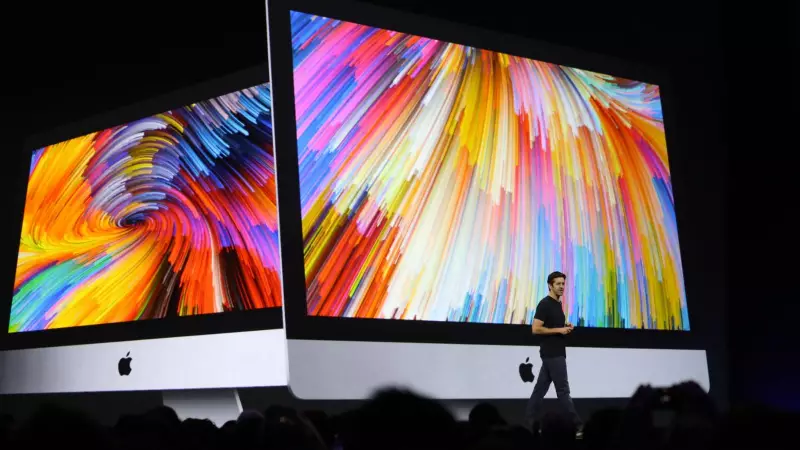
Colleagues describe a hands-on leader. When promoted to manager, he famously chose to sit in an open-plan area with his team instead of taking a private office, a move that fostered camaraderie and effective management. His career progression saw him lead the iMac hardware team, where he championed the use of magnets to hold screens in place—an innovative technique at the time.
His responsibilities expanded over the years, overseeing Mac and iPad teams and spending significant time with manufacturing partners in Asia. He played a pivotal role in major initiatives like Apple's transition from Intel to its own silicon chips in 2020 and the development of the slim iPhone Air released last year. He is also involved in Apple's explorations into foldable phone technology.
The Big Question: Manager or Innovator?
Ternus's potential ascent sparks a debate about Apple's future direction. Is the company best served by another supremely capable operator like Cook, who perfected Apple's execution and supply chain, or does it need a visionary innovator in the mold of Steve Jobs? Critics point out that Ternus is known more for maintaining and iterating on existing product lines than for breakthrough inventions.

As one former employee, Cameron Rogers, noted, "If you want to make an iPhone every year, Ternus is your guy." The question remains whether that is enough. Apple faces formidable challenges, including geopolitical tensions affecting its Chinese manufacturing base, the need to define its strategy in the artificial intelligence race, and navigating an uncertain global trade environment.
Whoever takes the helm will steer a company at a crossroads, balancing its legacy of revolutionary hardware with the demands of an increasingly software and services-driven future. For now, all eyes are on the meticulous hardware engineer who has quietly risen to the top of the candidate list.