

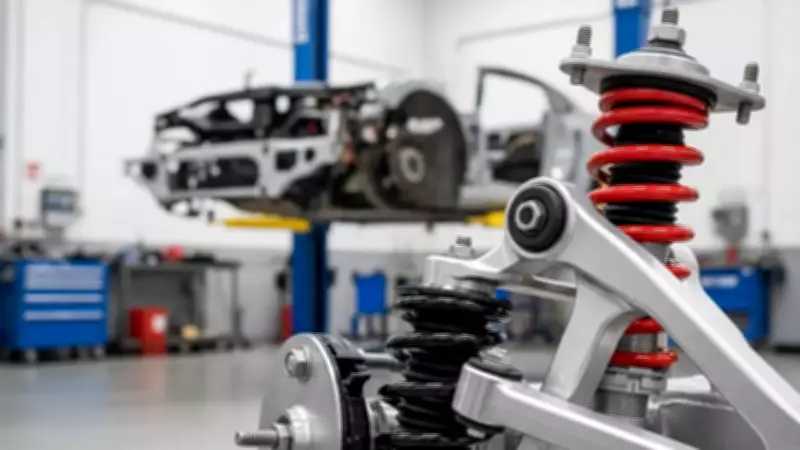
Don't Ignore These Suspension Warning Signs on Indian Roads
Your car's suspension system doesn't fail suddenly without warning. Like many automotive components, it provides clear indicators that something is wrong long before complete failure occurs. The challenge for most Indian drivers is recognizing these signs and taking timely action rather than adapting to gradual deterioration.
Why Indian Roads Accelerate Suspension Wear
On India's diverse road network, where potholes, unexpected speed breakers, and broken patches have become routine driving challenges, your vehicle's suspension works exceptionally hard. This constant stress means suspension components wear out significantly faster than many car owners anticipate, making regular monitoring essential for both comfort and safety.
Key Warning Signs You Should Never Overlook
Noticeable Ride Quality Changes

One of the earliest indicators of suspension trouble is a distinct change in how your car handles road imperfections. If your vehicle suddenly feels harsher over small bumps or crashes into potholes that it previously absorbed smoothly, your suspension may be deteriorating. A properly functioning suspension should cushion impacts, not transmit them directly to passengers.
Excessive Bouncing After Obstacles
After crossing a speed breaker or navigating a dip, your car should stabilize quickly. If it continues bouncing two or three times before settling, your shock absorbers or dampers are likely wearing out. This issue appears frequently in older hatchbacks and compact SUVs that regularly carry heavy loads on Indian roads.
Unusual Noises from Suspension Areas
Squeaking, creaking, or knocking sounds from the front or rear of your vehicle, particularly at low speeds, often signal worn suspension components. In India's challenging conditions—characterized by extreme heat, dust, and monsoon water—rubber bushings and joints deteriorate rapidly. Once these components crack or harden, audible symptoms typically emerge first.
Uneven or Accelerated Tyre Wear
If you observe the inner or outer edges of your tyres wearing down faster than the central tread area, suspension or alignment issues could be responsible. Many drivers make the costly mistake of replacing tyres without addressing the underlying suspension problem, only to witness the same uneven wear pattern on new tyres.
Vehicle Pulling or Instability
A car that drifts to one side during normal driving or feels unstable during braking requires immediate attention. Worn suspension components can reduce proper tyre contact with the road surface, compromising both braking effectiveness and straight-line stability. This creates unsettling highway driving experiences and potentially dangerous urban driving situations.
Increased Body Roll During Cornering
If your vehicle leans excessively during turns or feels floaty at higher speeds, worn anti-roll bars or dampers might be the culprit. This symptom typically develops gradually, causing many drivers to unconsciously adapt their driving style without recognizing the underlying mechanical issue.
Proactive Maintenance for Indian Driving Conditions
Given the demanding nature of Indian road infrastructure, regular suspension inspections should become part of your vehicle maintenance routine. Addressing minor issues early can prevent more expensive repairs later while ensuring optimal safety and comfort. Remember that suspension problems rarely resolve themselves—they typically worsen over time, especially under India's challenging driving conditions.
By paying attention to these warning signs and consulting automotive professionals when symptoms appear, you can extend your suspension's lifespan and maintain your vehicle's handling characteristics. Don't wait until your daily commute becomes uncomfortable or potentially hazardous—your suspension communicates its condition clearly if you know what signals to monitor.

