A Test Drive That Changed Everything: How a Chinese EV Won My Heart
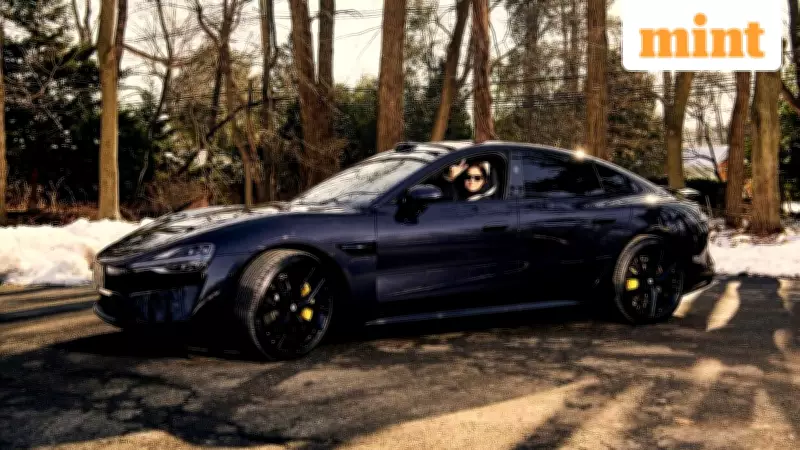
In a surprising turn of events, a recent test drive of a Chinese electric vehicle has left me questioning my loyalty to American car brands. As a journalist for The Wall Street Journal, I had the unique opportunity to spend two weeks behind the wheel of the Xiaomi SU7 Max, cruising the streets of New Jersey. This experience, facilitated by a friend with a temporary permit, revealed why experts are hailing China as the frontrunner in the digitally enhanced electric-car race.
The Unmatched Appeal of the Xiaomi SU7 Max
From the moment I stepped into the Xiaomi SU7 Max, it was clear this was no ordinary vehicle. The car boasts an impressive battery range, with Xiaomi claiming up to 810 kilometers (roughly 500 miles) on a single charge. During my test, even on a cold day when EV batteries typically suffer, a 50-mile trip used less than 30% of the charge, far exceeding my expectations set by my Ford Mustang Mach-E.
The interior is a marvel of customization and technology. A massive 16.1-inch infotainment screen runs HyperOS, Xiaomi's Android-based software, offering a smooth, smartphone-like experience. While many apps were in Mandarin, Apple CarPlay integrated seamlessly, and innovative features like navigation directions through headrest speakers kept music uninterrupted.

What truly sets this car apart is its ecosystem integration. For those in Xiaomi's universe, the possibilities are endless: mirroring phone displays, docking tablets for rear passengers, using Bluetooth microphones for karaoke, and even a minifridge between the rear seats. It feels like a tech company built a car, not the other way around.
Why China Is Leading the EV Revolution
My time with the SU7 Max confirmed what industry leaders have been saying. Chinese EV makers like Xiaomi, BYD, and Geely are delivering longer ranges, deeply integrated digital platforms, and lower prices—often tens of thousands of dollars less than Western competitors. Ford CEO Jim Farley himself acknowledged this, calling Chinese automakers the "700-pound gorilla" in the EV industry with no real competition from Tesla, GM, or Ford.
Driving the car was a joy; it handled smoothly and quietly, yet felt sportier than my Mustang Mach-E or a Tesla Model Y. The advanced driver-assistance mode performed flawlessly, even in challenging scenarios like crawling into the Holland Tunnel.
The Roadblocks and Future Prospects
Despite its allure, the Xiaomi SU7 Max is effectively blocked from the U.S. market due to a 100% tariff on Chinese-made EVs and federal restrictions on connected vehicle technology. However, there are signs this could change. President Trump recently suggested welcoming Chinese automakers if they build cars in the U.S. using American factories and workers.
Michael Dunne, CEO of Dunne Insights, predicts that cars like the SU7 Max will arrive in the U.S. within two years, not through imports but via local manufacturing. While Xiaomi has no current U.S. plans, Geely has expressed interest, indicating a potential shift in the automotive landscape.
As I return to my Ford Mustang Mach-E, I can't help but long for the Xiaomi SU7 Max. Its combination of innovation, performance, and value has set a new standard, making me wonder if American cars can keep up. For now, I wait, hopeful that one day, this Chinese marvel will grace American roads.