

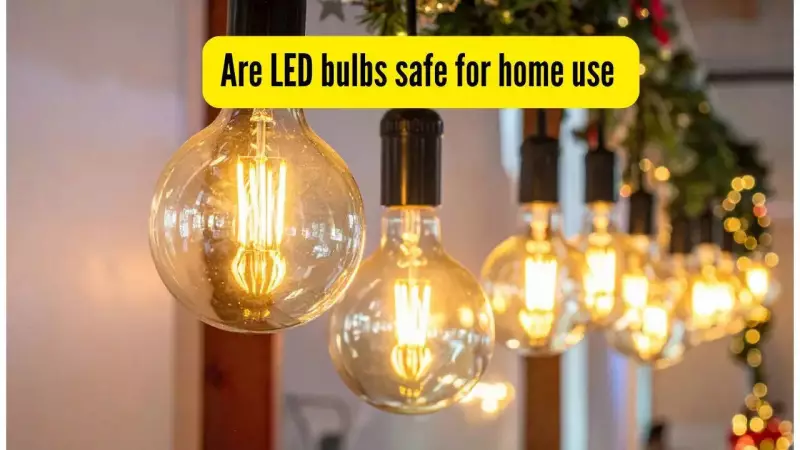
In contemporary households, LED or Light-Emitting Diode bulbs have become ubiquitous fixtures, representing the dominant technology in lighting solutions worldwide. Their widespread adoption is primarily attributed to remarkable energy efficiency and extended lifespan, which offer both economic and environmental benefits. There is no denying that LED illumination has revolutionized how we light up our homes, offices, and public spaces, providing brighter and more sustainable alternatives to traditional incandescent and fluorescent options.
Understanding UV Radiation and Its Potential Risks
Amidst the advantages, a pertinent question arises: do these modern LED bulbs emit harmful ultraviolet (UV) radiation? For context, UV radiation is the same type of light emitted by the sun that can potentially damage human skin and eyes over prolonged exposure. It is categorized into three distinct types based on wavelength and energy levels.
The Three Types of UV Radiation
- UVA: These are the longest UV wavelengths, known to contribute to photo-aging and certain forms of skin damage over time.
- UVB: Mid-range wavelengths that are primarily responsible for causing sunburn and more severe skin injuries.
- UVC: The shortest yet most energetic wavelengths, which are highly dangerous but largely absorbed by the Earth's atmosphere, minimizing natural exposure.
Research, including studies published on platforms like iere.org, indicates that intense or prolonged exposure to UV light can accelerate skin aging and cause eye injuries, among other health risks. This has understandably led to concerns about artificial sources, including various types of light bulbs.

Do Standard LED Bulbs Emit UV Radiation?
The straightforward answer is no, or only at negligible levels that pose no significant threat. Standard LED lights designed for general home and workplace use emit extremely low levels of UV rays, typically accounting for less than 1% of their total light output. This minimal emission is due to advanced phosphor conversion processes and protective housing designs that effectively contain any potential UV radiation from the LED chips.
In comparison to natural sunlight, the UV output from ordinary LED bulbs is far lower and considered insignificant for causing skin or eye damage. Essentially, the typical LED lighting installed in residential settings does not present a UV hazard, making it a safe choice for everyday illumination.
Specialized UV LEDs vs. Standard Household LEDs
It is crucial to distinguish between standard LEDs and purpose-built UV LED devices. Specialized LEDs manufactured explicitly for applications like sterilization, nail curing, or industrial processes are intentionally engineered to emit UVA, UVB, or UVC radiation. These products, often marketed as "UV lights," are not suitable for general lighting and should be used with appropriate safety measures.
Health Risks from LEDs: A Scientific Perspective
The UV radiation emitted by white LED bulbs is so minimal that it is not deemed harmful by health and safety authorities. When evaluated against sunlight or older lighting technologies such as fluorescent tubes, LED UV output is virtually negligible. Therefore, concerns about UV-related health risks from standard LED home lighting are largely unfounded and based on misinformation.
Safe LED Options for Home Use
Consumers looking to enhance their home lighting safely can consider several reliable LED options:

Standard White LED Bulbs
- Available in warm or cool color temperatures, these bulbs emit negligible UV radiation.
- Warm white LEDs are ideal for living areas and bedrooms, offering a softer ambiance.
- Always opt for Energy Star certified or high-quality bulbs to ensure safety and performance.
LED Bulbs with Diffusers or Frosted Covers
- These designs improve light distribution and comfort by scattering illumination evenly.
- They help reduce glare, enhancing visual comfort in various room settings.
Smart LEDs
- Modern smart LEDs offer features like adjustable color temperatures and reduced blue-light exposure.
- They can support better sleep hygiene by minimizing disruptive light spectra in the evening.
How to Choose the Right LED Bulbs
Selecting appropriate LED bulbs involves focusing on quality and suitability. Prioritize high-quality products from reputable brands, and consider the color temperature based on the room's function. Over the years, LED technology has evolved significantly, debunking outdated myths about UV emissions. The baseless concerns often stem from misunderstandings rather than scientific evidence.
When used correctly, LED bulbs provide safe, efficient, and long-lasting lighting solutions. Their durability adds further value, reducing replacement frequency and maintenance costs. From scientific research and lighting safety standards, the LED bulbs utilized for daily home illumination emit extremely low UV radiation, confirming their safety for routine use.
In summary, LED bulbs stand out as one of the safest lighting options available today, combining minimal UV exposure with superior energy efficiency. They are perfectly suited for everyday home lighting, offering peace of mind alongside practical benefits.





