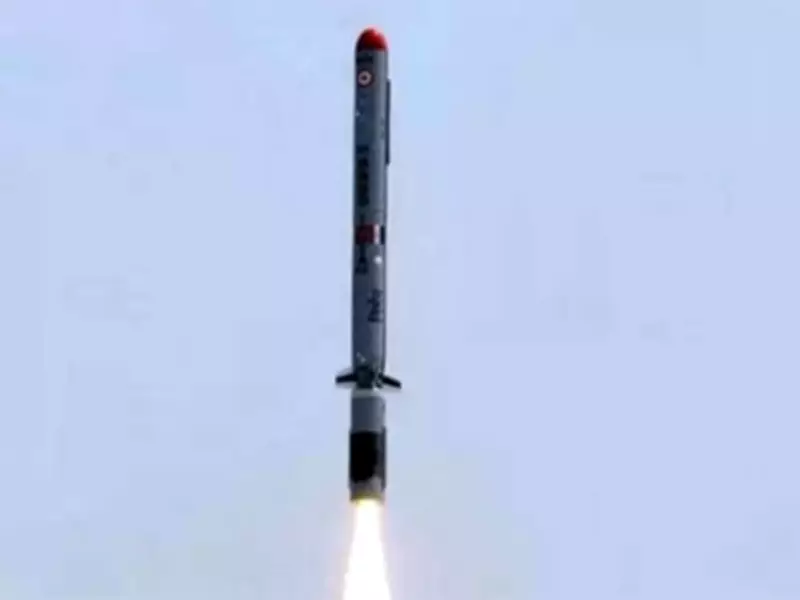
On May 10, 2025, BrahMos missiles flying at thrice the speed of sound neutralized Pakistan's ability to launch a meaningful air operation against India. In a series of strikes, New Delhi imposed its will on Islamabad, demonstrating the BrahMos as the 'Ultima Ratio Regum'—the last argument of kings—decisively ending a brief conflict.
Modern Conflicts Demand Cost-Effective Solutions
However, recent global conflicts show that wars are rarely brief. The Ukraine conflict has surpassed four years, Israel's operations in Gaza and Lebanon have been ongoing since 2023, and the Gulf conflict has lasted over a hundred days. India is building reserves for a 40-day intense war, but not all ammunition types require such stockpiles.
The BrahMos is expensive: the Indian Air Force bought 110 missiles for Rs 10,800 crore, and the Navy procured 220 missiles in 2024 for Rs 19,519 crore. In an extended conflict, relying solely on BrahMos is not feasible, especially as high-value targets are struck early.

Introducing the Long Range Land Attack Cruise Missile (LR-LACM)
India needs a low-cost precision weapon for deep strikes. The LR-LACM, a terrain-hugging missile with a 1,500 km range, fits this role. It can be fired at a sustainable cost of around Rs 25 crore, making it ideal for prolonged operations.
Complementary Role with BrahMos
The LR-LACM can work alongside BrahMos. First, the supersonic BrahMos takes down enemy air defenses, opening the door. Then, the cheaper LR-LACM strikes less defended targets. This strategy mirrors US tactics: the JASSM eliminates air defenses, followed by Tomahawk missiles. Similarly, Russia uses hypersonic Kinzhal for critical targets and Kalibr missiles for regular ones.
In any future conflict, especially a drawn-out one, the LR-LACM can significantly enhance India's staying power. This indigenously developed missile, successfully flight-tested by DRDO, promises to be a game-changer.