

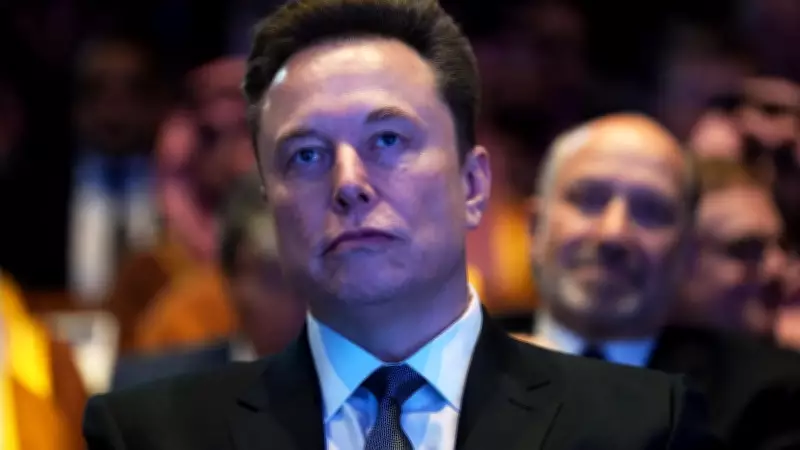
Elon Musk Shuts Down Rumors of a Starlink Smartphone
SpaceX CEO Elon Musk has definitively addressed and dismissed widespread speculation regarding the development of a Starlink-branded smartphone. Recent reports from Reuters had suggested that SpaceX might be planning to launch a phone to complement its rapidly expanding satellite internet business, Starlink. However, Musk took to his social media platform, X, to set the record straight in no uncertain terms.
Musk's Direct Denial on Social Media
The clarification came in response to a post by an X user named Mark Kretschmann, who shared the circulating report that SpaceX was allegedly planning to develop a Starlink phone to bolster its satellite business ahead of a potential massive initial public offering (IPO). Musk directly replied to this post, stating simply and clearly, "We are not developing a phone." This statement aligns with his long-standing and repeatedly expressed reluctance to enter the smartphone manufacturing arena.
A History of Hesitation Towards Phone Manufacturing
Elon Musk's aversion to creating a phone is well-documented. During a Pennsylvania town hall event in October 2024, he made his feelings starkly clear, stating, "The idea of making a phone makes me want to die," emphasizing his view of it as a colossal and daunting undertaking. He further elaborated on this stance during an appearance on Joe Rogan's podcast, noting that while his company Tesla technically possesses the capability to build a phone, it would only consider such a move under extreme circumstances. Musk specified that Tesla would only enter the phone market if tech giants like Apple or Google began engaging in widespread censorship of apps or started acting as restrictive gatekeepers, limiting user freedom and access.

Starlink's Current Trajectory and Strategic Focus
This denial comes as Starlink continues to solidify its position as one of SpaceX's most critical and successful revenue streams. The satellite internet service has amassed millions of subscribers across the globe, providing high-speed connectivity to remote, rural, and previously underserved regions. Beyond consumer subscriptions, SpaceX has been aggressively expanding Starlink's reach into lucrative enterprise and government contract sectors, further diversifying its business model and reinforcing its market dominance without the need for a companion hardware device like a smartphone.
Context: Musk's Unprecedented Financial Milestone
This news unfolds against the backdrop of a significant financial milestone for Elon Musk. Following the landmark merger of his rocket company, SpaceX, with his artificial intelligence venture, xAI, Musk has reportedly become the first person in history to achieve a net worth exceeding $800 billion. According to Forbes, this deal valued the newly combined entity at an estimated $1.25 trillion, contributing to an $84 billion surge in Musk's personal fortune, bringing it to a staggering $852 billion.
The merger restructured Musk's holdings, granting him a 43% stake in the combined company, valued at approximately $542 billion. Prior to the acquisition, Musk held a 42% stake in SpaceX, worth around $336 billion, and a 49% stake in xAI, valued at $122 billion. With xAI now integrated into SpaceX, the rocket and satellite company has emerged as Musk's most valuable single asset, surpassing his other major holdings and underscoring the strategic importance of Starlink's core internet service business over speculative hardware expansions like a smartphone.

