

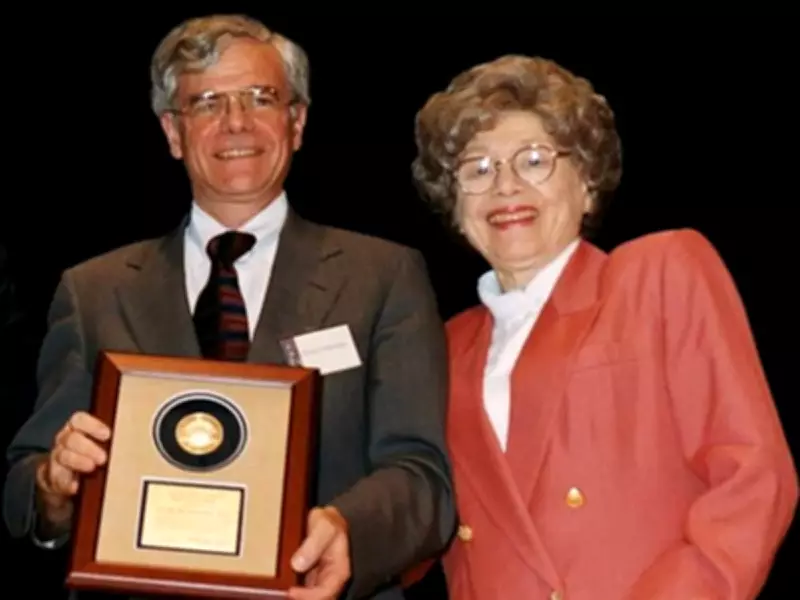
When Ruth Gottesman made her historic $1 billion donation to Albert Einstein College of Medicine in 2024, the sheer magnitude of the gift immediately captured global attention. However, the story extended far beyond the record-breaking sum. The funds enabled all students to be exempt from tuition payments for the duration of their studies at the institution.
As announced by the university, all future medical school candidates will receive free education through the Gottesman Scholarship Fund, which covers both tuition and certain additional fees indefinitely. According to Albert Einstein College of Medicine, this contribution became the largest in the history of U.S. medical schools. The impact was almost instantaneous, as students no longer had to worry about tuition payments during their time at the college.
Why the Location in the Bronx Matters
This context gave a new perspective on the donation. On one hand, it was a generous gift to a distinguished educational institution. On the other hand, the donation became a means of investing in a community where access to medical services remains problematic.

As the Associated Press notes, such a grant can motivate future doctors to specialize in relatively inexpensive but equally important areas of medicine, without being compelled to make those choices solely because of debt. A colossal sum borrowed to finance medical studies can affect almost every step a physician takes after graduation.
The Problem of Medical School Debt
There is no secret that attending U.S. medical schools can be extremely expensive. According to the Association of American Medical Colleges, average medical school debt exceeded $200,000 over the past decade. While the program at Einstein does not cover all expenses, it provides students the opportunity to study at the university for free.
The announcement brought joy to many Einstein students who had worried about repaying enormous loans. Multiple studies show a correlation between large student debt, stress, missed financial goals, and inappropriate career decisions. Suddenly, students began viewing this Bronx medical school differently.
Why the Gift Was Personal
Another factor that made the story authentic was Gottesman's deep connection to the institution. As an external donor making a one-time gift, she would not have had such a profound impact. According to the Einstein Faculty Directory, Gottesman had been involved with Einstein Medical School for decades in various roles, from professor to learning disability specialist.
This history endowed the story with meaning, as it felt less like branding and more like an educator reflecting on her legacy and determining what resources future generations of students should enjoy beyond her lifetime. Einstein officials stressed that this scholarship helps fulfill the medical school's mission.
How the Pledge Transformed the Entire School
In many cases, such gifts are used to build research centers, labs, or specific academic initiatives. However, this donation altered Einstein's relationship with every prospective candidate. The commitment sends a powerful message to those who previously considered pursuing medical studies impossible due to high costs.
It also transforms the university's image nationally by creating a new premise for competition: free tuition for all. According to experts, this transformation is highly important for making medicine a more diverse field in the future. Fewer financial barriers might help increase enrollment among candidates from economically disadvantaged backgrounds.
Moreover, this gift helped create a different narrative around philanthropy. In this case, one could not simply discuss support for a particular project; immediate results were visible in the form of tuition-free studies for students.
Why the Story Remains Relevant
Numerous examples of major philanthropic gifts exist in recent years, but this story stands out because its effects remain evident. A tuition-free medical school was established in the Bronx for future doctors. In essence, the pledge tied together heritage, healthcare opportunities, education, and financial stability in one move.

It did much more than simply offer financial assistance to the institution. In many ways, it altered the type of commitment that Albert Einstein College of Medicine could make to its future students, ensuring that the legacy of Ruth Gottesman will continue to shape medical education for generations to come.
