

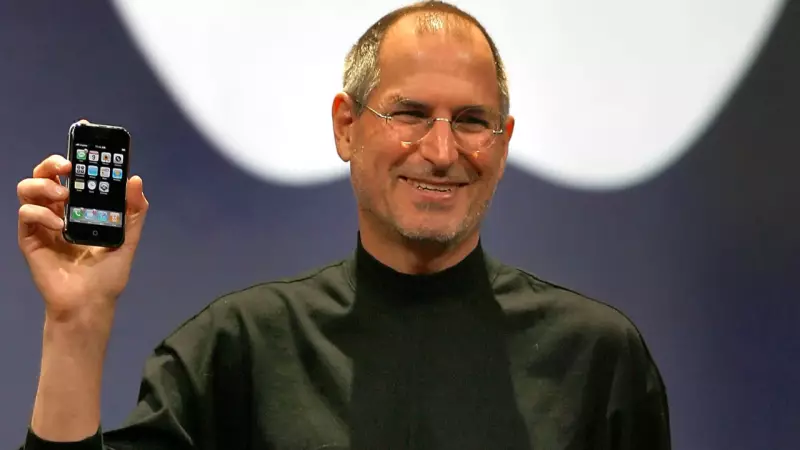
On a historic day in San Francisco, January 9, 2007, the late co-founder of Apple, Steve Jobs, stepped onto the Macworld stage and forever altered the trajectory of personal technology. The product he unveiled that day—the iPhone—was presented not merely as a new gadget but as a leap into the future, a claim that history has profoundly validated.
The Pivotal Announcement That Merged Three Devices Into One
Jobs, known for his theatrical presentation style, masterfully built anticipation. He listed three key products of the time: an iPod, a phone, and an internet communicator. Repeating the list for emphasis, he posed a teasing question to the audience, "Are you getting it?" The revelation was groundbreaking: "These are not three separate devices. This is one device, and we are calling it iPhone." He boldly declared the iPhone a "revolutionary and magical product" that was five years ahead of any competitor.
A Visionary Bet on Human Intuition and Multi-Touch
The presentation went beyond mere specifications. Jobs directly critiqued the smartphones of the era, which relied on physical keyboards and numerous fixed buttons. His solution was radical: replace them all with a giant screen. This introduced the world to the mainstream use of multi-touch technology. Jobs centered his pitch on natural human interaction, stating, "We are all born with the ultimate pointing device—our fingers—and iPhone uses them to create the most revolutionary user interface since the mouse." This focus on intuitive design became a cornerstone of the iPhone's success.

The Nerve-Wracking Demo and Unprecedented Success
Despite the polished and confident delivery, the launch was a high-stakes gamble. Jobs later admitted, "I didn't sleep a wink last night, I was so excited about today." The engineering team was on edge because the demo units running unfinished software could crash at any moment. The risk, however, paid off spectacularly. When the iPhone finally hit stores on June 29, 2007, it achieved a staggering one million sales in just 74 days. This was merely the beginning of a global phenomenon.
From that first model to the over 2 billion active Apple devices in use worldwide today, Jobs' understated promise to the audience—"we're going to make some history together today"—proved to be one of technology's greatest prophecies. The iPhone didn't just enter the market; it created a new one, setting the standard for the modern smartphone era and reshaping how humanity communicates, works, and accesses information.






