

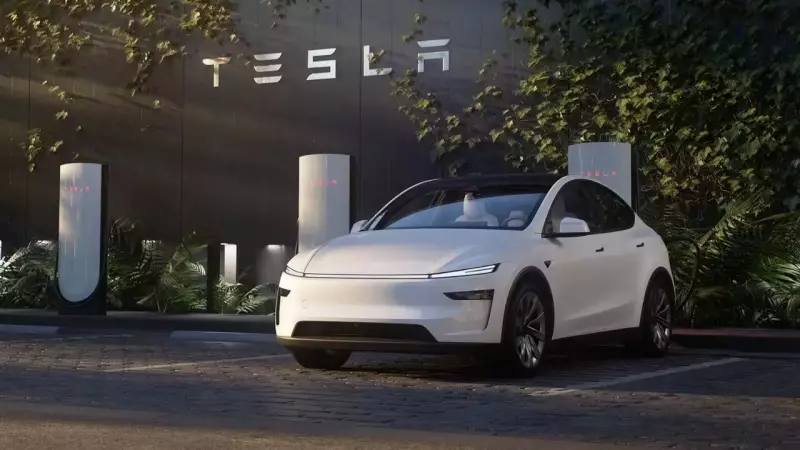
In a strategic move to enhance the appeal of its electric vehicles in the Indian market, American automotive giant Tesla has unveiled a new finance scheme that dramatically reduces the monthly ownership expenses for the Model Y. This initiative introduces EMI options commencing at an attractive Rs 49,000 per month, accompanied by a down payment requirement of Rs 6 lakh.
Making Electric Mobility More Accessible
Tesla's latest financial offering is designed to lower the entry barrier for prospective buyers, making the Model Y more attainable amidst India's growing electric vehicle landscape. The company has not disclosed the specific interest rates associated with these EMI plans, noting that the ultimate monthly payout will vary based on the loan tenure and the terms set by individual lenders.
Model Y Variants and Pricing in India
The Tesla Model Y is currently available in India in two distinct configurations: the Rear-Wheel Drive and the Long Range Rear-Wheel Drive. The ex-showroom prices for these variants are set at Rs 59.89 lakh and Rs 67.89 lakh, respectively. According to reports, Tesla managed to sell 227 units in India last year from an initial allocation of 300 vehicles.

Performance Specifications and Range
In terms of performance, the standard rear-wheel-drive Model Y boasts a WLTP-certified range of 500 kilometers. It accelerates from 0 to 100 km/h in 5.9 seconds and achieves a top speed of 201 km/h. The long-range version enhances the WLTP range to an impressive 661 kilometers, with a slightly faster 0 to 100 km/h time of 5.6 seconds, while maintaining the same top speed.
Additional Incentives and Discounts
Complementing the new finance scheme, Tesla has recently provided a substantial discount of Rs 2 lakh on the Model Y. By integrating this price reduction with the lower monthly EMIs, the company is evidently striving to rekindle consumer interest in its sole model available in the Indian market.
This dual approach of financial flexibility and direct discounts underscores Tesla's commitment to expanding its footprint in India's competitive automotive sector, potentially accelerating the adoption of electric vehicles among Indian consumers.






