

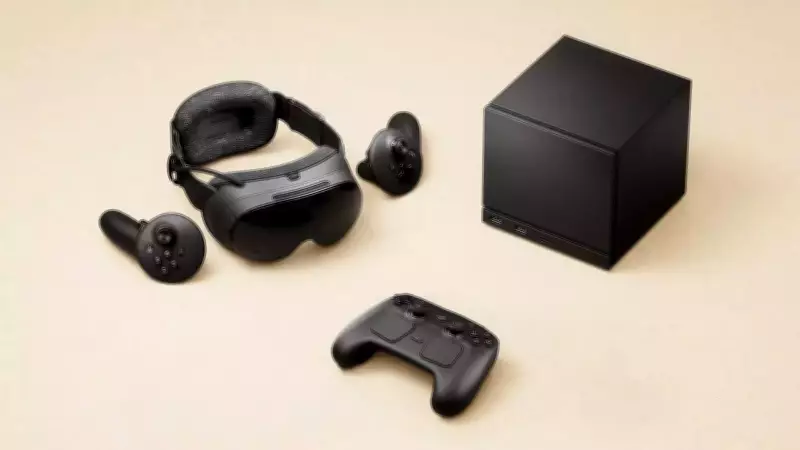
In a significant development for the gaming hardware industry, Valve Corporation has announced substantial delays for its highly anticipated Steam Machine, Steam Frame VR headset, and Steam Controller. The company has pushed back the release of all three products to sometime in the first half of 2026, citing unprecedented increases in memory and storage costs that have completely disrupted its original pricing strategy.
AI Industry Impact on Component Availability
Valve revealed in a Wednesday blog post that the global shortage of memory and storage components, exacerbated by artificial intelligence companies aggressively acquiring RAM and storage for data centers, has forced this strategic shift. The company acknowledged that it had initially planned to announce specific pricing and launch dates by now, but the component market has deteriorated rapidly since those original projections were made.
The memory crisis has reached alarming proportions, with RAM prices reportedly tripling or even quadrupling in recent months as manufacturers prioritize supplying the more profitable AI server market. Storage components haven't fared much better, with solid-state drives (SSDs) experiencing sharp price increases across all segments of the market.

Console Ambitions Meet Hardware Reality
Valve had originally positioned the Steam Machine as an entry-level PC gaming console designed to compete with traditional gaming consoles rather than high-end gaming rigs. This market positioning becomes significantly more challenging when core components now cost two to four times what they did just three months ago.
The company specifically noted that it must "revisit our exact shipping schedule and pricing, especially around Steam Machine and Steam Frame." While the Steam Controller might avoid the worst of the price increases since controllers don't require significant RAM or storage components, both the Steam Machine and Steam Frame VR headset directly depend on the exact components experiencing severe price inflation.
Industry Validation of Development Progress
Interestingly, AMD CEO Lisa Su mentioned during her company's recent earnings call that Valve was "on track to begin shipping its AMD-powered Steam Machine early this year" from a product development standpoint. These comments now carry additional significance, suggesting that while the hardware may be technically ready for production, the current economic realities of component pricing have made the original launch timeline unsustainable.
Valve has promised to provide updates "as soon as possible" once it establishes firm pricing for its delayed products. For consumers who had been anticipating a $500-$700 living room PC solution, the company's announcement suggests they should prepare for potentially higher pricing when these products eventually reach the market.
This delay represents a broader industry challenge as traditional PC and gaming hardware manufacturers find themselves competing with deep-pocketed AI companies for essential components, creating supply chain disruptions that are reshaping product launch timelines and pricing strategies across the technology sector.

