Project Windless vs Black Myth: Wukong: A Comprehensive Analysis of Two Distinct Eastern Fantasy RPGs
The gaming world has been abuzz with comparisons between Project Windless and Black Myth: Wukong, two highly anticipated Eastern fantasy action RPGs that share surface-level similarities but are fundamentally different in execution. Announced by Krafton at Sony's State of Play, Project Windless has drawn inevitable comparisons to the acclaimed Black Myth: Wukong due to their shared genre and cultural inspirations. However, a deeper examination reveals these titles diverge significantly in combat mechanics, narrative foundations, and overall design philosophy.
Core Combat Systems: Precision vs. Physical Dominance
The combat systems represent the most striking difference between these two games. Black Myth: Wukong features a precise, dance-like combat style that requires meticulous timing for dodges and staff attacks, drawing heavily from spiritual themes in Chinese mythology. In contrast, Project Windless emphasizes physical dominance and large-scale warfare, with gameplay reminiscent of Dynasty Warriors titles but infused with Eastern fantasy elements. Players control a Rekon warrior who battles dozens of enemies simultaneously, creating a chaotic battlefield experience quite different from Wukong's focused boss encounters.
Narrative Foundations: Chinese vs. Korean Literary Inspirations
The narrative and setting of these games stem from completely different cultural sources. Black Myth: Wukong is directly inspired by the classical Chinese novel Journey to the West, featuring adaptations of its iconic characters and their mythological backstories. Meanwhile, Project Windless draws from The Bird That Drinks Tears, the legendary Korean fantasy novel series by author Lee Young-do. This fundamental difference in source material creates distinct narrative tones and world-building approaches that separate the two experiences.

Visual Design and Character Aesthetics
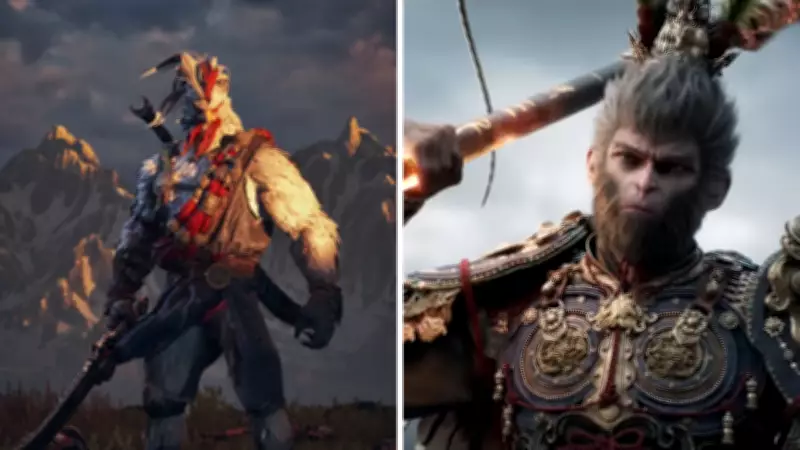
Visually, these games present strikingly different protagonists despite both featuring animal-based characters. Project Windless features a protagonist who is a giant chicken man standing approximately seven feet tall, creating a distinctive aesthetic that contrasts sharply with Wukong's more humanoid monkey protagonist. While both utilize animal-based character designs, their visual execution and artistic direction reflect their respective cultural inspirations and gameplay priorities.
Gameplay Scale and Design Philosophy
The scale of gameplay represents another key distinction. Project Windless embraces large-scale battles where players confront numerous enemies simultaneously, supporting its Dynasty Warriors-inspired combat approach. Black Myth: Wukong, conversely, focuses on more intimate, skill-based encounters against formidable bosses and smaller groups of enemies. This difference in scale reflects their divergent design philosophies: one prioritizing epic warfare spectacle, the other emphasizing precise combat mastery.
Inspiration vs. Imitation: Understanding the Relationship
While Project Windless appears inspired by the commercial and critical success of Black Myth: Wukong in popularizing Eastern fantasy action RPGs, it does not directly imitate its content. The games target different combat experiences, narrative traditions, and gameplay scales. Project Windless represents a hybrid approach that combines Eastern fantasy elements with Dynasty Warriors-style mechanics, creating a distinct identity within the genre rather than a derivative copy.
As both titles continue development, further specifics about Project Windless will be announced by Krafton in the coming years. What remains clear is that while these games share a genre and cultural roots, they offer fundamentally different experiences that cater to varied player preferences within the Eastern fantasy action RPG landscape.