Ubisoft Implements Major Reset: Six Games Cancelled, Studios Closed
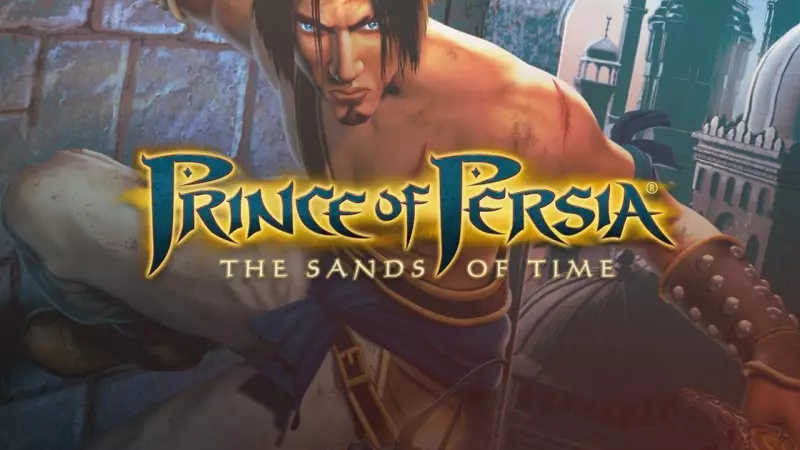
Global gaming powerhouse Ubisoft has sent shockwaves through the industry by announcing a dramatic operational reset. The company confirmed the cancellation of six video game projects, a move that includes the highly anticipated Prince of Persia: The Sands of Time remake. This strategic overhaul also involves the closure of two development studios and the postponement of seven other titles. The financial markets reacted swiftly to this news, with Ubisoft's shares experiencing a steep 33 per cent decline on Thursday following the announcement.
Leadership Cites Need for Sustainable Focus
Ubisoft Chief Executive Officer Yves Guillemot addressed these difficult decisions, emphasizing their long-term necessity. "While these decisions are difficult, they are necessary for us to build a more focused, efficient and sustainable organisation over the long term," Guillemot stated. The company pointed to escalating development costs and intense market competition as key factors driving this reset. With industry giants like Grand Theft Auto VI raising the bar, Ubisoft is refocusing its efforts on its core strengths in open-world adventure games, a genre where franchises like Assassin's Creed and Far Cry have historically excelled.
Online Backlash Targets Indian Workforce Strategy
The cancellations have ignited a fiery controversy on social media platforms, with numerous users directing criticism toward Ubisoft's employment practices. A significant portion of the online discourse alleges that the company's increasing reliance on Indian talent for its US and global operations has negatively impacted project timelines and quality. Ubisoft maintains substantial development studios in Pune and Mumbai, employing over 1,000 professionals, with some reports estimating the workforce across both Indian locations to be around 1,300. In contrast, the company's US operations are estimated to have between 600 to 900 employees.

This disparity has fueled speculation among gamers and commentators. Many social media posts suggest that the outsourcing of roles to Indian staff, who may accept lower compensation than their American counterparts, has contributed directly to the recent project delays and cancellations. The debate has taken a political turn, with some MAGA supporters and Republican voices echoing concerns about wage disparities and the rare instances where American employees are reportedly asked to train their overseas replacements.
Social Media Erupts with Accusations and Stereotypes
The online reaction has been intense and, at times, inflammatory. One user commented, "Let's just replace all the staff with lower paid Indians….whats the worse that can happen?" alongside an image criticizing the trend. Another stated, "This is what happened to Windows, Google, and every other big tech company. An unsustainable amount of Indian talent-free biomass was nepotism'ed in and now the companies are in slow decline. Indians only hire Indians."
Further criticisms extended to perceived quality issues. A user claiming experience with outsourced work said, "At a previous job, every time the code was outsourced to India, it came back completely unusable, and we basically had to rewrite the whole thing ourselves. This happened about 6 times in a span of 3 years. American programmers, on average, are far better." These comments reflect a broader, contentious narrative that outsourcing to India is a primary factor behind Ubisoft's current struggles.
Broader Impact and Restructuring Details
Beyond the cancelled Prince of Persia remake, Ubisoft's axe fell on four other unannounced game projects. The studio closures affected locations in Stockholm, Sweden and Halifax, Canada, with three additional studios undergoing restructuring. This sweeping reset underscores the immense pressures facing major game publishers in today's hyper-competitive landscape, where development budgets are ballooning and player expectations are higher than ever.

While Ubisoft's official statements focus on cost management and strategic focus, the online storm highlights a deeper, more volatile debate about globalization, labor economics, and perceived quality in the tech and gaming sectors. The controversy places a spotlight on the complex dynamics of international game development and the challenges of managing a distributed, global workforce.