

In a significant move aimed at revolutionising the electric vehicle (EV) ecosystem, the Ministry of Road Transport and Highways has unveiled draft guidelines proposing a unique identification system for batteries, similar to the Aadhaar card for citizens. This initiative seeks to ensure complete traceability throughout a battery's life and significantly enhance recycling rates.
What is the Battery Pack Aadhaar Number (BPAN)?
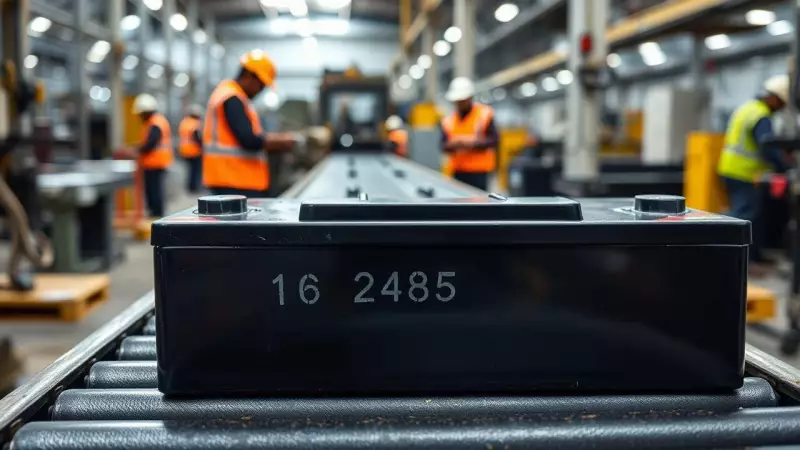
The core of the proposal is the introduction of a 21-character Battery Pack Aadhaar Number (BPAN). According to the draft, battery producers or importers will be mandated to assign this unique ID to every battery they introduce into the Indian market, including those reserved for their own use. This number must be physically placed on the battery in a "clearly visible and accessible position" where it cannot be easily destroyed or degraded.
The responsibility does not end with assignment. Manufacturers will also have to upload critical Battery Pack Dynamic data related to each unit onto a dedicated official BPAN portal. This system is designed to capture and store vital information from the very beginning of a battery's lifecycle—starting from raw material extraction and manufacturing—through its usage phase, and finally to recycling or disposal.

Driving Transparency and a Circular Economy
The ministry states that the primary goals of the BPAN system are to bring greater transparency, accountability, and sustainability to India's rapidly growing battery sector. By enabling accurate tracking, the framework will allow for monitoring of battery performance and its environmental impact.
A key application of BPAN will be in facilitating second-life usage of batteries, where EV batteries that are no longer optimal for vehicles can be repurposed for other energy storage needs. The guidelines specify that any change in a battery's attributes due to recycling or repurposing will require the issuance of a new BPAN by the relevant producer or importer, ensuring the chain of custody remains unbroken.
Why EV Batteries Are the Initial Priority
The draft guidelines recommend applying the BPAN framework to industrial batteries with a capacity above 2 kWh. However, it explicitly identifies EV batteries as a priority segment for the initial rollout. This focus is due to their dominant market share, critical safety implications, and high regulatory relevance.
Electric vehicle applications currently account for 80–90 per cent of the total lithium-ion battery demand in India, far surpassing demand from industrial or other non-automotive uses. "This approach will ensure that the Battery Pack Aadhaar framework addresses the most impactful segment of the Indian battery ecosystem in its initial phase," the draft document noted.
The Path Forward for Implementation
For development and implementation, the ministry has recommended that the BPAN framework be crafted through the Automotive Industry Standard (AIS) route under the Automotive Industry Standards Committee. This pathway is expected to enable structured consultation with all stakeholders, thorough technical validation, and seamless alignment with existing automotive regulations in the country.
This proposed system marks a proactive step by the government to build a robust, sustainable, and circular infrastructure for battery management, which is crucial for supporting India's ambitious EV adoption targets and environmental goals.






