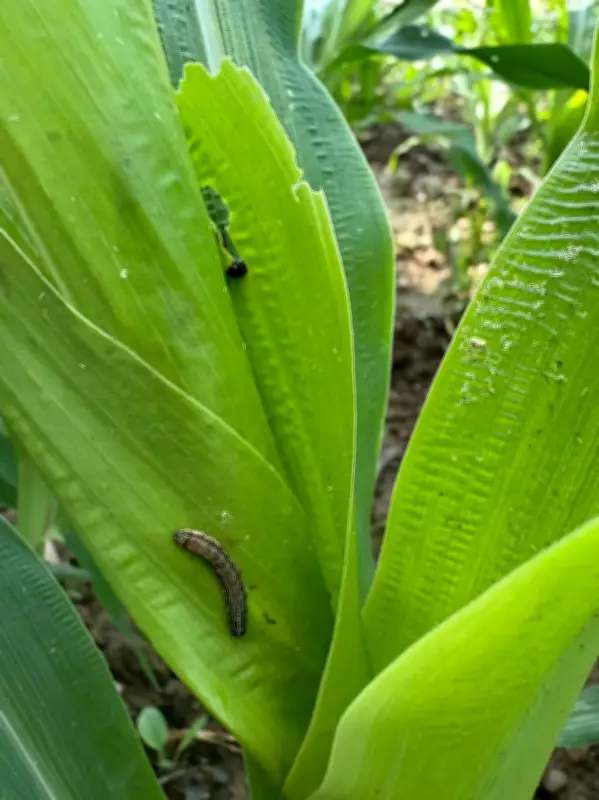
Fall armyworm (Spodoptera frugiperda) infestations, compounded by crop-raiding monkeys, are causing severe damage to maize fields across the lower Kangra region and other parts of Kangra district, threatening a key staple crop for the area.
Pest spread and impact on maize cultivation
First identified in Africa in 2016, fall armyworm is believed to have entered India accidentally through imported plant material. Since then, the pest has spread rapidly, causing extensive damage to maize, sorghum and millet crops. In Kangra district, maize is cultivated on nearly 50,000 hectares across 15 agriculture development blocks.
Farmers in the lower Kangra region, already struggling with simians that raid crops, are now facing the additional burden of fall armyworm infestations. Many farmers report spending sleepless nights protecting their fields from both pests.

Abandonment of maize farming in Nurpur block
In the Nurpur agriculture block, a large number of farmers have abandoned maize cultivation over the past few years due to repeated losses caused by simian raids and fall armyworm attacks. The dual threat has made maize farming economically unviable for many.
Government response and farmer guidance
Kangra Deputy Director of Agriculture Dr Ashok Kumar said the Agriculture Department has stepped up surveillance and awareness campaigns across the district to protect the maize crop from the pest. Department employees, including field staff, are regularly monitoring maize fields, educating farmers and providing scientific guidance on early detection and effective management.
Dr Kumar advised farmers to inspect their maize fields regularly and adopt integrated pest management (IPM) practices. These include crop rotation, deep summer ploughing, destruction of crop residue and timely field scouting to minimise pest incidence. Farmers noticing unusual symptoms have been urged to contact the nearest Agriculture Department office for technical assistance.
Integrated pest management strategies
IPM approaches are critical to controlling fall armyworm, which can cause significant yield losses if left unchecked. The Agriculture Department emphasizes early detection and a combination of cultural, biological and chemical control methods. Farmers are encouraged to use pheromone traps for monitoring and to apply biopesticides when necessary.
The department's awareness campaigns aim to equip farmers with the knowledge to identify fall armyworm damage, which includes irregular holes in leaves, frass (excrement) and stunted plant growth. Timely action can prevent the pest from spreading to neighboring fields.
Broader implications for Kangra agriculture
Maize is a vital crop for Kangra district, supporting the livelihoods of thousands of small and marginal farmers. The combined pressure from fall armyworm and simian raids threatens food security and economic stability in the region. The Agriculture Department's intensified efforts are intended to mitigate the damage and help farmers sustain their maize production.