Glide bombs, which first saw use during World War II in the form of the German Fritz-X and Henschel Hs-293, have evolved significantly. In an era dominated by expensive cruise missiles, the glide bomb is making a comeback as a key weapon in air forces worldwide.
Modern Developments and Capabilities
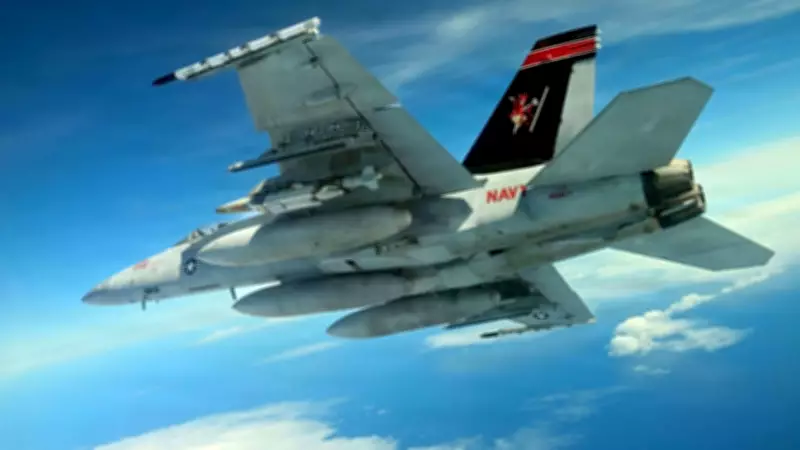
The United States Navy has released an image of an old Mark-80 series bomb attached to a new guidance kit with a Range Extension Kit (REK), granting a phenomenal range of 200 nautical miles or 370 kilometers. This exceeds the original BrahMos range of 290 km due to Missile Technology Control Regime restrictions. For perspective, 370 km is the aerial distance between Delhi and Jhansi. The new weapon is designated the Guided Bomb Unit (GBU)-75, also known as the Joint Direct Attack Munition-Long Range (JDAM-LR). A small turbine engine in the REK provides this extraordinary range.
Operational Advantages
Glide bombs have been extensively used in ongoing conflicts in West Asia and prominently by Russia against Ukraine. Most glide bombs are converted from dumb bombs by attaching a guidance kit and a Range Extension Kit to improve glide ratio. The primary advantage is that they allow pilots to release weapons from a safe stand-off range, avoiding adversary air defenses. Once released, the bombs fly at high subsonic speeds, making interception difficult.

Another advantage is cost-effectiveness. These guided bombs lack the complex engines of missiles, making them cheaper. Moreover, air forces worldwide have large inventories of relatively cheap dumb bombs. The kit imparts both accuracy and range.
Indian Developments
India is developing its own glide bomb series. The most impressive is the DRDO-developed Smart Anti-Airfield Weapon (SAAW), with a range of up to 100 km. Plans include a variant with a small turbojet engine to extend range to 200 km. The DRDO is also developing the Gautham glide bomb in 500 kg and 1,000 kg variants with a 100 km range. Private firm JSR Dynamics is producing a glide bomb with a range of up to 120 km.
These advancements underscore the strategic shift towards affordable, stand-off precision weapons that enhance pilot safety while maintaining striking capability.