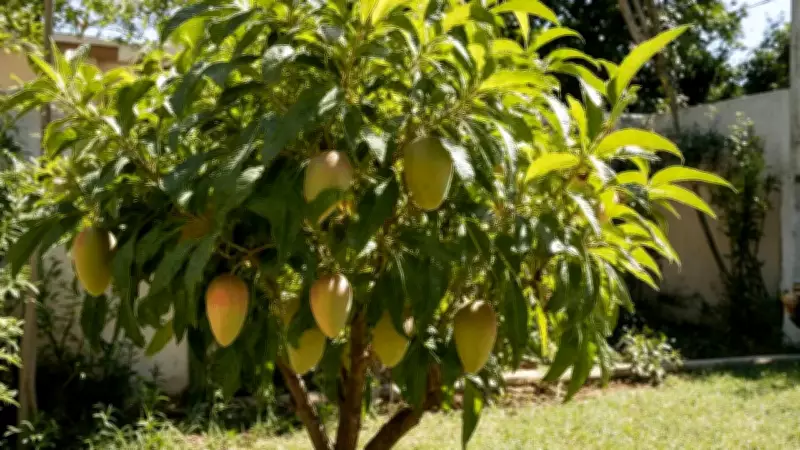
Growing a mango plant at home can be challenging, as mango trees typically thrive in large farms or spacious gardens. However, with modern agricultural advancements, it is now possible to cultivate dwarf mango varieties in containers such as pots on terraces, balconies, and other small spaces. With the right containers and adequate sunlight, caring for such a plant becomes manageable. Dwarf and grafted mango varieties are ideal for container cultivation because they require less space and begin bearing fruit within a couple of years. This step-by-step guide provides essential instructions for successfully growing a mango plant in a pot.
Select the Right Mango Variety for Container Gardening
The first step is to choose a mango variety suitable for container gardening. Dwarf or grafted varieties are highly recommended for home planting, as they occupy less space compared to standard trees. Grafted mangoes also produce fruit faster than seed-grown plants. It is advisable to purchase saplings from nurseries rather than attempting to grow plants from seeds.
Choose a Large Container with Adequate Drainage
Mango roots grow large and strong, so the tree requires a spacious container for proper development. Gardening experts recommend using large pots or grow bags with sufficient drainage holes to prevent water retention. Terracotta, cement, or sturdy plastic grow bags are suitable for terrace gardening. Proper drainage is crucial, as excess moisture can harm the mango plant.

Use Fertile, Well-Draining Soil
Good soil is essential for healthy mango plant growth in containers. Prepare loose, well-drained soil enriched with compost, coco peat, and organic manure. Avoid heavy and compact soil, as it can lead to poor drainage and negatively affect the plant's health.
Ensure Daily Access to Sunlight
Mango plants require abundant light for healthy growth. Place the pot on terraces, balconies, or other open areas where the plant receives sunlight throughout the day. Insufficient light can impair development and reduce foliage density. As a tropical fruit tree, mangoes thrive in plenty of sunlight.
Water Carefully
A common mistake is overwatering mango plants. While regular watering is necessary, the soil should not remain constantly moist. Excessive watering can cause root rot and fungal diseases. During hot summer months, increase watering frequency, but reduce it during the monsoon season to avoid waterlogging.
Prune for Better Growth
To control the plant's growth in a pot, regular pruning is important. Remove dead branches, dry leaves, and crowded foliage to improve air circulation. Some gardeners pinch off young shoots periodically to encourage branching and a bushier shape.
Disclaimer
This article is for general informational and home gardening awareness purposes only. Mango plant growth and fruit production may vary depending on climate, sunlight exposure, soil quality, pot size, watering practices, and plant variety. Container-grown mango plants may require long-term maintenance, pruning, pest management, and seasonal care for healthy growth. Readers are advised to consult local horticulture experts, nurseries, or agricultural authorities for region-specific guidance regarding mango cultivation and plant care.