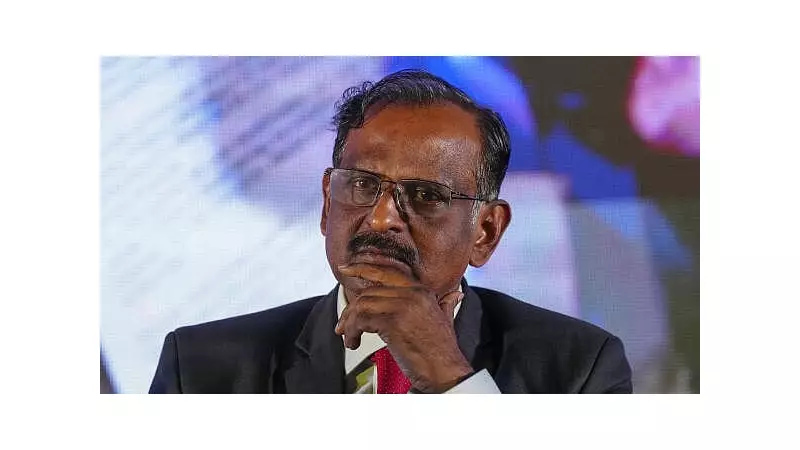
In a time-honored tradition that blends spiritual faith with cutting-edge science, the Chairman of the Indian Space Research Organisation (ISRO), S. Somanath, sought divine blessings for the success of an upcoming satellite launch. The senior scientist visited the sacred Tirumala temple in Tirupati, Andhra Pradesh, on February 9, ahead of the planned launch of the Polar Satellite Launch Vehicle (PSLV) mission C62.
A Spiritual Prelude to a Scientific Mission
The visit underscores a longstanding practice within India's premier space agency, where scientists often turn to spiritual sanctuaries before major missions. Somanath, who also serves as the Secretary of the Department of Space, performed special prayers at the hill shrine of Lord Venkateswara. This ritual is seen as a quest for auspiciousness and calm before the high-stakes operation of launching a satellite into orbit.
The focal point of this mission is the PSLV-C62 rocket, which is scheduled to lift off from the Satish Dhawan Space Centre (SDSC) in Sriharikota. Its primary payload is the RISAT-1A satellite, a sophisticated radar imaging Earth observation satellite. This launch is a significant step for India's remote sensing capabilities, as radar satellites can capture images day and night, and even through cloud cover, which is crucial for agriculture, disaster management, and surveillance.

The Significance of the RISAT-1A Mission
The RISAT-1A is a vital asset for the nation's strategic and civilian applications. Unlike optical satellites that rely on sunlight, RISAT-1A uses synthetic aperture radar (SAR) to provide all-weather, 24-hour surveillance. This makes it indispensable for monitoring natural disasters like floods and cyclones, managing agricultural resources, and supporting forestry and soil studies.
This mission follows the successful launch of the XPoSat (X-ray Polarimeter Satellite) on January 1, 2024, which marked a brilliant start to the year for ISRO. The upcoming PSLV flight continues the agency's momentum, showcasing the reliability of the workhorse PSLV rocket. The launch window and precise date following the Tirupati visit are typically finalized based on technical readiness and weather conditions at the launch pad.
Tradition and Technology: The ISRO Way
ISRO's culture of visiting temples before launches is well-documented and reflects the personal faith of its scientists and engineers. It is not an official protocol but a voluntary practice that many, including former chairmen like K. Sivan, have followed. This blend of deep-rooted cultural tradition with world-class scientific achievement is a unique hallmark of India's space journey.
The Satish Dhawan Space Centre in Sriharikota is now in the final stages of preparation for the countdown. The integration of the satellite with the launch vehicle, along with a series of rigorous checks, will be completed leading up to the launch day. The successful deployment of RISAT-1A will further strengthen India's constellation of remote sensing satellites, providing critical data for national development and security.
As Chairman Somanath returned from Tirupati, the focus shifted firmly back to the technical brilliance and meticulous planning that ISRO is renowned for. The prayers offered symbolize the hopes of a nation that eagerly watches its space agency push the boundaries of exploration and utility, one successful mission at a time.