

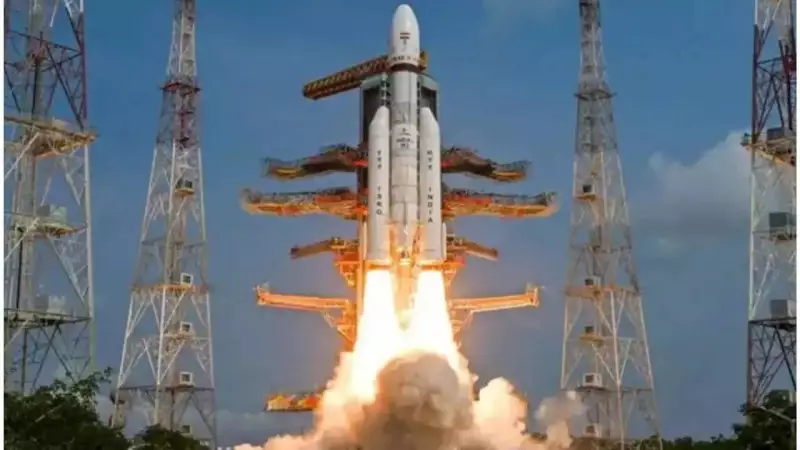
The Indian Space Research Organisation (ISRO) commenced its 2026 launch calendar with a mission that blended high-stakes national security with commercial ambitions. However, the PSLV-C62 launch on 12 January 2026 encountered a significant technical setback. The space agency confirmed a technical anomaly during the third stage of the flight, which resulted in the primary satellite, the advanced Anvesha Earth observation spacecraft, not achieving its intended orbit.
Mission Details and Strategic Payload
Lifting off from the First Launch Pad at the Satish Dhawan Space Centre in Sriharikota, the PSLV-C62 mission was a pivotal moment. It marked India's first spaceflight of the year and the 64th overall flight of the reliable Polar Satellite Launch Vehicle (PSLV). The rocket variant used was the PSLV-DL, equipped with two solid strap-on boosters for enhanced thrust, ideal for precise orbital insertions.
The centerpiece of the mission was Anvesha, officially named EOS-N1. This is a cutting-edge hyperspectral Earth observation satellite designed for dual strategic and civilian use. Its ability to capture imagery across multiple light bands allows for exceptionally detailed analysis of terrain, vegetation, water resources, and infrastructure. This technology is crucial for strengthening India's capabilities in surveillance, border monitoring, environmental tracking, and disaster management.

Commercial Operations and Co-Passenger Satellites
The mission was operated by NewSpace India Limited (NSIL), ISRO's commercial arm. This launch was NSIL's ninth dedicated commercial mission, highlighting India's growing role in the global satellite launch market. In line with this commercial focus, the PSLV-C62 carried a diverse payload of 15 co-passenger satellites from both Indian and international clients. These included small satellites and technology demonstrators, showcasing the cost-effective "rideshare" model that maximizes launch efficiency.
Anomaly and Investigation
Despite the successful lift-off, ISRO reported a problem during the flight's third stage. The anomaly prevented the Anvesha satellite from being placed into its planned orbit. In response, the space agency has promptly formed a failure analysis committee. This committee is tasked with meticulously examining onboard flight data to determine the root cause of the technical glitch. Such investigations are standard procedure to ensure the reliability of future missions.
Implications and the Road Ahead
This incident underscores the inherent challenges and risks of spaceflight, even for a seasoned agency like ISRO with the PSLV's proven track record. While the anomaly is a setback for the specific objectives of the Anvesha mission, the broader launch demonstrated the continued integration of strategic and commercial goals. The investigation's findings will be critical for ISRO as it prepares for a busy 2026 launch schedule, aiming to reinforce its position as a dependable global launch service provider while advancing its national strategic and scientific objectives.






