

ISRO's PSLV-C62 Mission Ends in Failure, 16 Satellites Lost
The Indian Space Research Organisation (ISRO) faced a significant setback with its PSLV-C62 mission. The launch, which took place recently, did not go as planned. The mission failed, resulting in the loss of 16 satellites that were on board the rocket. This event marks a rare failure for ISRO, which has a strong track record in space missions.
Details of the Mission Failure
ISRO launched the PSLV-C62 rocket from its spaceport in Sriharikota. The rocket carried multiple satellites, including small payloads from various countries. However, during the flight, an anomaly occurred. This led to the mission's failure. The 16 satellites were lost in space. They did not reach their intended orbits. ISRO officials are investigating the cause of the failure. They aim to prevent such incidents in the future.
The loss includes satellites from different sectors. Some were for communication purposes. Others were for Earth observation. This failure impacts the organizations that relied on these satellites. It also raises concerns about the reliability of space launches. ISRO has expressed regret over the incident. The agency is working to address the technical issues.

Spanish Kid's Prototype Survives Re-Entry
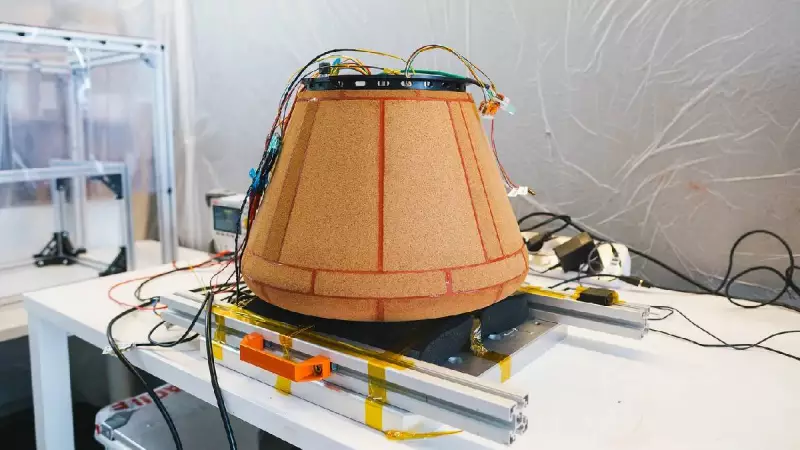
In a surprising turn of events, one payload survived the mission failure. A prototype satellite, developed by a Spanish kid, managed to re-enter Earth's atmosphere safely. This prototype was part of an educational project. It was designed to test basic space technologies. The survival of this prototype is notable. It demonstrates resilience in the face of mission failure.
The Spanish kid's project highlights the importance of innovation in space. Despite the overall mission failure, this success story offers hope. It shows that even small, low-cost projects can achieve remarkable feats. The prototype's survival is being celebrated in the space community. It serves as an inspiration for young scientists and engineers.
Implications for ISRO and Space Missions
This failure has several implications for ISRO. First, it may affect the agency's schedule for future launches. ISRO might need to review its procedures. Second, it could impact India's reputation in the global space market. ISRO is known for cost-effective and reliable missions. This incident might raise questions among international clients.
However, ISRO has a history of learning from failures. The agency is likely to conduct a thorough analysis. They will implement corrective measures. This approach has helped ISRO bounce back from past setbacks. The space industry is inherently risky. Failures are part of the learning process.
For the global space community, this event underscores the challenges of space exploration. It reminds us that technology can fail. But it also shows that innovation can lead to unexpected successes. The survival of the Spanish prototype is a testament to this.
Looking Ahead
ISRO is expected to release more details about the failure soon. The agency will focus on ensuring the success of its upcoming missions. Meanwhile, the story of the Spanish kid's prototype continues to inspire. It proves that space is accessible to everyone, even young enthusiasts.
In conclusion, the PSLV-C62 mission failure is a setback for ISRO. But it also brings a silver lining. The survival of the Spanish prototype offers valuable lessons. It encourages perseverance and creativity in space science.






