

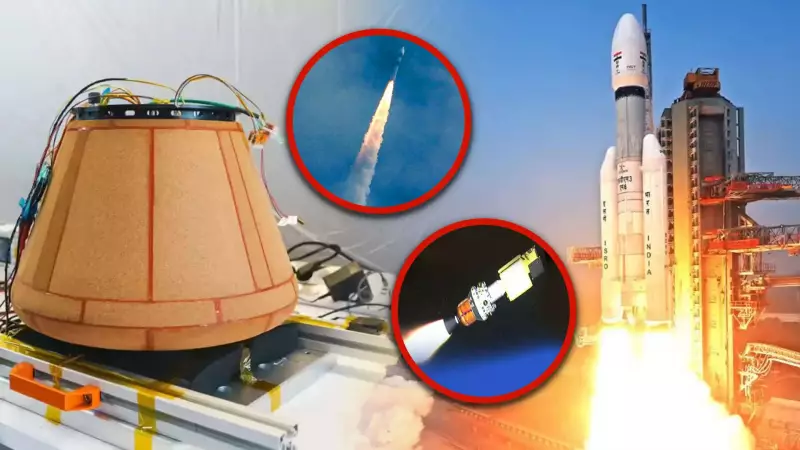
ISRO's PSLV-C62 Mission Suffers Major Setback with 15 Satellite Losses
India's space agency ISRO experienced a significant setback during its PSLV-C62 mission launch on Wednesday morning. The rocket lifted off from Sriharikota at 10:18 am, carrying 16 satellites intended for various purposes.
Anomaly in Third Stage Causes Widespread Failure
The 44.4-meter four-stage rocket encountered problems during its flight. ISRO monitored the mission in real time and detected deviations in the flight path. An anomaly in the rocket's third stage prevented 15 of the 16 satellites from reaching their intended orbits.
Among the lost satellites were important payloads including DRDO's Anvesha satellite, AayulSAT, CGUSAT, and a joint Earth Observation satellite developed by Thailand and the United Kingdom. These satellites may now be drifting in space as debris, posing potential challenges for future space operations.

Spanish KID Capsule Defies Odds with Successful Operation
In a remarkable turn of events amid the widespread failure, the Spanish startup's KID capsule managed to separate successfully from the rocket. The capsule switched on as planned and began transmitting data back to Earth, demonstrating its operational capabilities despite the mission's overall problems.
This success story provides a silver lining to an otherwise disappointing mission for ISRO. The KID capsule's performance shows that some components of the launch vehicle continued functioning properly even as others failed.
ISRO Leadership Responds to the Incident
ISRO Chairman V. Narayanan confirmed the deviations in the flight path during a statement following the mission. He emphasized that the space agency is conducting a detailed analysis of what went wrong with the PSLV-C62 rocket.
The investigation will examine all aspects of the mission to determine the exact cause of the third stage anomaly. ISRO has committed to sharing its full findings with the public once the analysis is complete.
Implications for India's Space Program
This incident represents a notable challenge for India's space ambitions. The PSLV (Polar Satellite Launch Vehicle) has generally been one of ISRO's most reliable rockets, making this failure particularly concerning for the agency.
The loss of multiple satellites represents both financial and strategic setbacks for the various organizations that had invested in these space assets. The incident also highlights the ongoing challenge of space debris management as more objects enter Earth's orbit.
Despite this setback, ISRO continues to work on multiple missions and maintains an ambitious schedule for future launches. The agency's response to this incident will be closely watched by the global space community.






