Alexei Leonov's Historic 1965 Spacewalk: A Triumph Marred by Peril
On March 18, 1965, the Soviet Union achieved a monumental milestone in the intense space race against the United States. Cosmonaut Alexei Leonov, aboard the Voskhod 2 spacecraft, became the first human to ever conduct a spacewalk, marking a pivotal moment in the history of space exploration.
The Pioneering Spacewalk
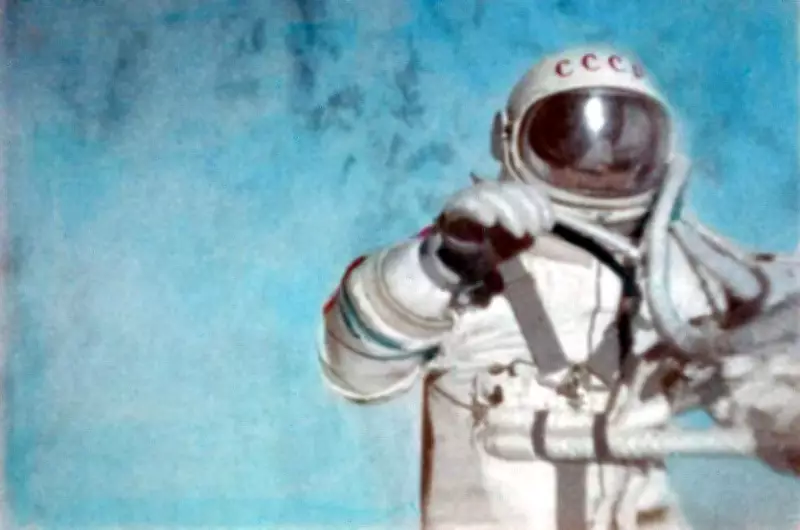
Leonov ventured outside the spacecraft, attached by a tether, and spent approximately 12 minutes floating in the vacuum of space. He later recounted the awe-inspiring experience, stating, "I floated in space, marvelling at the beauty of the Earth beneath me." This achievement solidified the USSR's lead in the space race, following earlier successes like Sputnik and Yuri Gagarin's flight.
The Oxygen Crisis and Spacesuit Malfunction
However, the mission was far from smooth. During the spacewalk, Leonov's spacesuit unexpectedly inflated due to the pressure of suit gases, causing it to balloon and become rigid. This severely limited his mobility and made it nearly impossible for him to re-enter the airlock.

Facing a life-threatening situation, Leonov demonstrated incredible bravery and quick thinking. He manually reduced the pressure in his suit by releasing some oxygen, despite the high risk of decompression sickness. "I was standing there drenched in sweat… I had to reduce the pressure inside my suit, or I would not get back in," Leonov explained in 2004. This decisive action saved his life and highlighted the experimental and dangerous nature of early extravehicular activities (EVAs).
A Harrowing Return to Earth
The challenges continued during re-entry. The Voskhod 2's automatic landing system failed, forcing the crew to manually guide the spacecraft—a feat never before attempted. Instead of landing in a designated recovery zone, the capsule touched down in the remote Siberian wilderness.
Leonov and fellow cosmonaut Pavel Belyayev found themselves isolated in a dense forest, battling freezing temperatures and even wolves, as recorded by the European Space Agency. They survived for nearly two days using emergency supplies before rescuers, skiing through the forest, could reach them. "This was a true test of survival after the mission itself had already tested us beyond limits," Leonov reflected.
Legacy of the Voskhod 2 Mission
The events of 1965 underscore that early space exploration was as much about human endurance as scientific advancement. Leonov's spacewalk paved the way for modern EVAs, now routine on the International Space Station. NASA later acknowledged, "Leonov's spacewalk demonstrated both the possibilities and the risks of human activity in space."
This mission remains a testament to human ingenuity and determination, representing a triumph not only for the Soviet Union but for all of humanity's quest to explore the cosmos. It serves as a powerful reminder of the courage required to push the boundaries of what is possible.