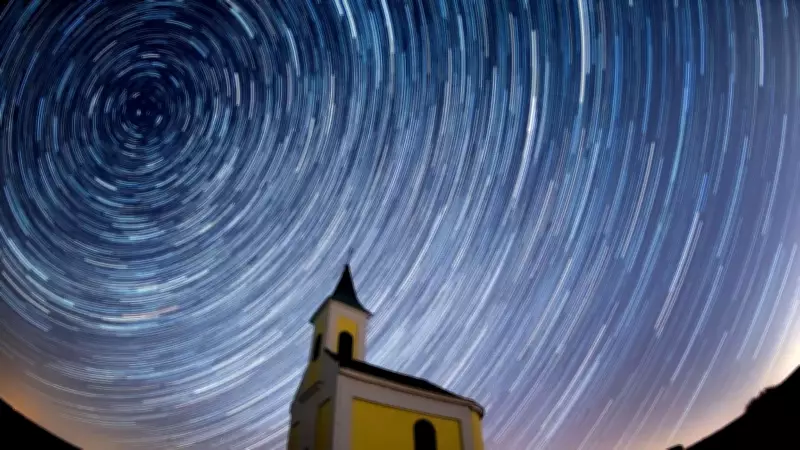
Lyrid Meteor Shower 2026: Ancient Celestial Display Set to Illuminate Northern Skies
As April returns, the cosmos prepares for one of its most enduring performances. The Lyrid meteor shower, an astronomical phenomenon with historical records spanning nearly 2,700 years, is poised to grace the night sky once again. This celestial spectacle represents one of humanity's oldest connections to the heavens, with documented observations dating back to ancient civilizations.
The Historical Significance of the Lyrid Meteor Shower
According to astronomical records, the Lyrids hold the distinction of being among the earliest meteor showers ever documented by human observers. For approximately 27 centuries, people across different cultures have witnessed these brilliant streaks of light, commonly called "shooting stars," painting temporary trails across the darkness. The shower's remarkable longevity makes it a living link to our astronomical heritage.
The Cosmic Mechanics Behind the Phenomenon
The Lyrid meteor shower occurs annually when Earth's orbit intersects with the debris trail left by Comet C/1861 G1 (Thatcher). This long-period comet completes its solar orbit approximately every 415 years, leaving behind a stream of cosmic particles. Each April, as our planet passes through this celestial debris field, these particles enter Earth's atmosphere at tremendous velocities, typically around 49 kilometers per second.

The intense friction generated during atmospheric entry causes these particles to vaporize, creating the luminous streaks we recognize as meteors. Despite being named for the constellation Lyra, from which they appear to radiate, these meteors can appear anywhere across the night sky, eliminating the need for specific constellation identification.
Optimal Viewing Conditions for 2026
The Lyrid meteor shower typically spans from approximately April 16 to April 25 each year. For 2026, astronomers predict peak activity during the night of April 21 continuing into the early morning hours of April 22. During this maximum period, observers under ideal dark-sky conditions can expect to witness between 10 and 20 meteors per hour.
Occasionally, the Lyrids produce unexpected outbursts, with meteor rates potentially surging to approximately 100 per hour, though such events remain relatively rare. The most favorable viewing window occurs after midnight, particularly as dawn approaches, with optimal visibility typically around 2:00 AM local time when the radiant point reaches its highest elevation.
Geographic Accessibility and Viewing Strategies
The Lyrid meteor shower will be visible throughout the Northern Hemisphere, including regions such as the United Kingdom, Europe, North America, and much of Asia. For observers in the United Kingdom, the eastern sky after midnight offers the best vantage point. Those in India and South Asia should focus on pre-dawn hours for optimal viewing opportunities.
Light pollution represents the primary obstacle to successful meteor observation. Seeking locations far from urban centers, such as countryside areas or designated dark-sky preserves, significantly enhances viewing conditions. While Southern Hemisphere observers may witness fewer meteors, some activity remains potentially visible.
Practical Viewing Recommendations
One of the Lyrid meteor shower's most appealing aspects is its accessibility—no specialized equipment is required. The naked eye provides the optimal viewing experience, as telescopes and binoculars actually limit the field of vision necessary for meteor observation.
For maximum enjoyment, select a dark viewing location away from artificial light sources. Allow approximately 30 minutes for your eyes to fully adapt to darkness, avoiding electronic devices during this adjustment period. A reclining position that enables broad sky observation proves most effective. Patience remains essential, as meteor activity typically occurs in irregular bursts rather than constant streams.
For those seeking particularly dramatic displays, focusing approximately 40 degrees from the radiant point near the bright star Vega often reveals longer, more impressive meteor trails. The Lyrids maintain a reputation for unpredictability, occasionally surprising observers with sudden increases in activity even during otherwise quiet periods.

Frequently Asked Questions
What represents the optimal viewing time for the Lyrid meteor shower?
The hours after midnight through dawn provide the best viewing opportunities, particularly when the radiant point reaches maximum elevation and sky darkness is most profound.
How many meteors might observers expect to see per hour?
Under ideal conditions, typical rates range between 10 and 20 meteors hourly, though rare outbursts can produce significantly higher numbers.
Is specialized astronomical equipment necessary for observation?
No optical instruments are required—the naked eye provides the optimal viewing experience for meteor showers.
Which direction should observers focus their attention?
While meteors appear to radiate from the constellation Lyra near Vega, focusing slightly away from this point often reveals more dramatic meteor trails.
What essential items should viewers bring?
Warm clothing, comfortable seating or blankets, and considerable patience represent the most important viewing accessories.