

A groundbreaking innovation from India is set to revolutionize the leather industry while tackling marine waste. A collaborative team of researchers from institutions across the country has successfully developed an eco-friendly method to produce high-quality leather from fish skin, a by-product typically discarded by the processing industry.
From Waste to Wear: The Science Behind Fish Leather
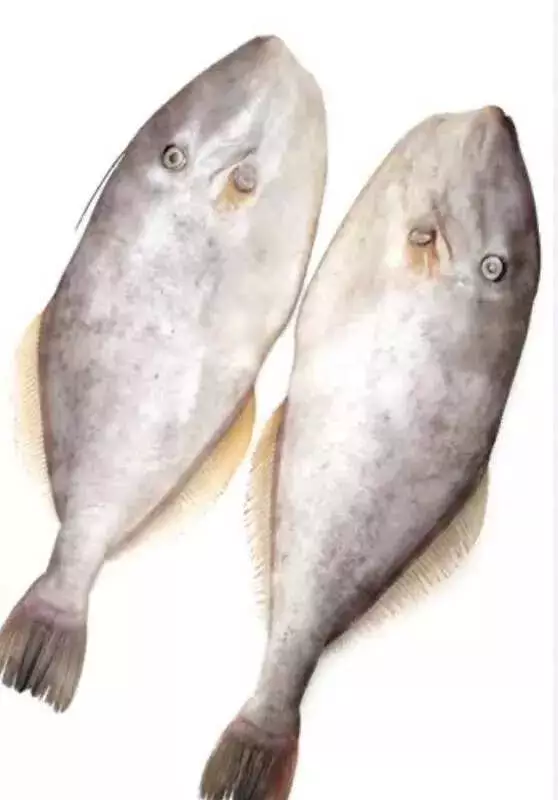
The pioneering research was conducted at the department of fish processing technology at the College of Fisheries, Mangaluru (KVAFSU, Bidar). The project was led by Professor and Head Manjanaik Bojayanaik. The study focused specifically on the unicorn leatherjacket fish (Alutera monoceros), a marine species common along the Indian coast. This fish, measuring between 47 to 59cm in length and weighing 0.7kg to 1.3kg, is primarily used for fillets, leaving behind substantial skin waste.
Professor Manjanaik highlighted the unique properties of this waste material. "The skin is tough, elastic, and rich in collagen, making it an excellent raw material for tanning applications," he explained. Instead of relying on environmentally harmful chrome-based tanning, the team standardized a tannin-based, chrome-free tanning method. This crucial shift makes the entire leather production process safer for both workers and the planet.

Broader Impact and International Recognition
The implications of this research extend far beyond the laboratory. This sustainable technology directly supports circular economy principles by converting waste into a valuable product. It addresses the persistent challenge of fish processing waste and can create new revenue streams for fishing communities by valorizing a previously unused resource.
"Importantly, fish skin leather offers a responsible and ethical alternative to leather sourced from rare or exotic animals," Professor Manjanaik added. The research's significance has been acknowledged globally, with its findings published in prestigious peer-reviewed Springer Nature journals.
Scaling Up: Potential for Multiple Species
The team's work is not limited to one type of fish. To demonstrate the wider potential of this sustainable practice in India, they have also conducted similar successful studies on other species, including:
- Malabar grouper
- Cobia
- Catfish
- Spinycheek grouper
The study received support from the Dean of the College of Fisheries. This innovation presents a compelling dual solution: it significantly reduces the environmental pollution linked to conventional leather manufacturing and paves the way for a new, sustainable material industry rooted in responsible resource use.






