Not every yard has room for massive maples or large oaks. For those seeking a dramatic yet compact option, the Merlot redbud quietly transforms any space. This tree has become the preferred choice for homeowners who want vibrant color without needing a large backyard.
What Makes the Merlot Redbud Special?
Botanically known as Cercis 'Merlot,' this ornamental tree features stunning rosy-purple blooms and wine-colored foliage that changes beautifully throughout the seasons. Unlike many trees whose flowers last only a few weeks, the Merlot redbud continues to evolve from spring to autumn, making it one of the best plants for small spaces.
The tree was originally created by crossing the Eastern redbud with the Texas redbud. This hybrid was developed to handle drought and heat more efficiently while maintaining a vibrant, rich leaf color. According to a study in HortScience Journal on Ruby Falls and Merlot Redbuds, the cultivar was designed to produce glossier leaves and greater tolerance to hot conditions. This explains why gardeners in warm USDA regions flock to it.

Typically growing 15 to 18 feet tall, the Merlot redbud is ideal for city gardens, front yards, patios, and other suburban spaces where size matters. Its rounded form looks polished even without excessive pruning.
Why Gardeners Are Attracted to This Vibrant Tree
The most notable feature is its color display. In early spring, before most plants have awakened, clusters of pinkish-purple flowers emerge directly from the bare branches. This striking effect is especially beautiful against the soft spring sunlight.
As temperatures rise, leaves unfurl with glossy burgundy tones reminiscent of red wine—hence the name 'Merlot.' During summer, the foliage gradually shifts to deeper green before turning bronze and brown in autumn.
Unlike many purple-leaf plants that fade quickly in bright sun, the Merlot redbud retains its hue longer. The Royal Horticultural Society plant guide notes that this variety is more heat- and drought-resistant than other purple-leaf redbuds, making it excellent for modern gardens with warm summers.
Beyond aesthetics, this tree supports local wildlife. Early spring flowers provide nectar for bees and pollinators when many gardens are still bare. Research highlighted in the Oak Ridge National Laboratory's Eastern Redbud overview emphasizes how redbuds play a vital role in supporting pollinators and butterflies during the early season.
This combination of beauty and ecological value makes the Merlot redbud more than just a landscaping plant. Developed for heat and drought tolerance, it fits perfectly in small gardens, offering dramatic color and wildlife support without overwhelming the space.
How to Plant and Care for a Merlot Redbud
Fortunately, this tree is easy to maintain once established. However, choosing the right spot is crucial.
The Merlot redbud thrives in areas that receive morning sun followed by light afternoon shade. Intense afternoon heat can stress young trees, while too little light hinders flowering.
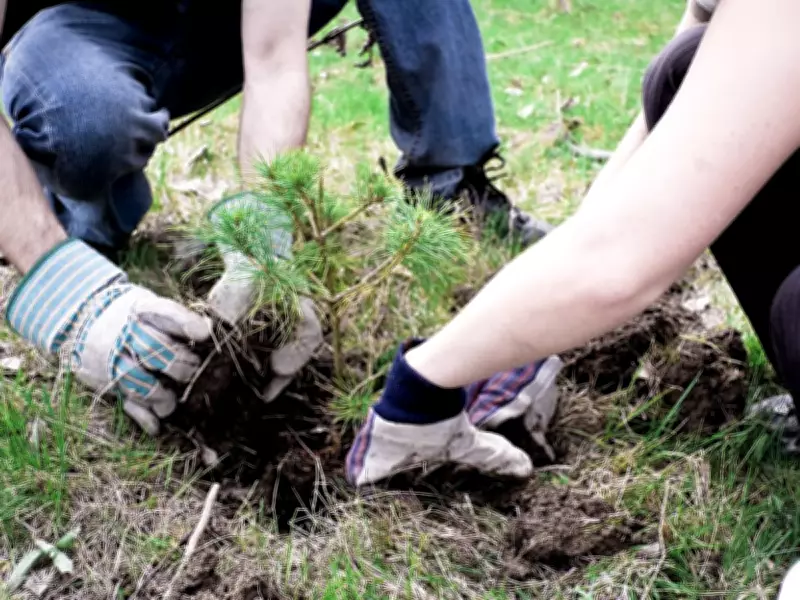
Loamy, well-draining soil is best, though mature trees tolerate short dry spells better than most ornamentals. When planting, dig a hole about twice the width of the root ball but no deeper than the root structure. This allows roots to spread naturally without sinking too deep.
Adding mulch or compost around the base helps retain moisture and regulate soil temperature during the first season. Light fertilization in spring promotes healthier growth and more vigorous flowering.
Since this tree naturally tends to grow multiple trunks, regular pruning creates a stronger, more attractive form. Many homeowners prefer training it to a single main trunk for a sleeker appearance.
Patience is quickly rewarded: the Merlot redbud grows relatively fast, reaching full size within 5 to 10 years. Once established, it becomes a tree that people look forward to every spring.
For homeowners seeking to add color and texture, the Merlot redbud is one of the smartest plants to consider this year.