NASA's Artemis II Mission Concludes with Safe Splashdown, Sparking Viral Online Discussion
The recent splashdown of NASA's Artemis II mission marked a significant milestone in space exploration, as astronauts successfully returned to Earth, capturing global attention. From detailed mission updates to the final landing sequence, every step was closely monitored by enthusiasts and experts alike. Amidst the intense focus on scientific achievements and technological prowess, a surprisingly simple query emerged online, quickly trending and becoming an integral part of the broader conversation surrounding the event.
A Relatable Question Goes Viral Post-Splashdown
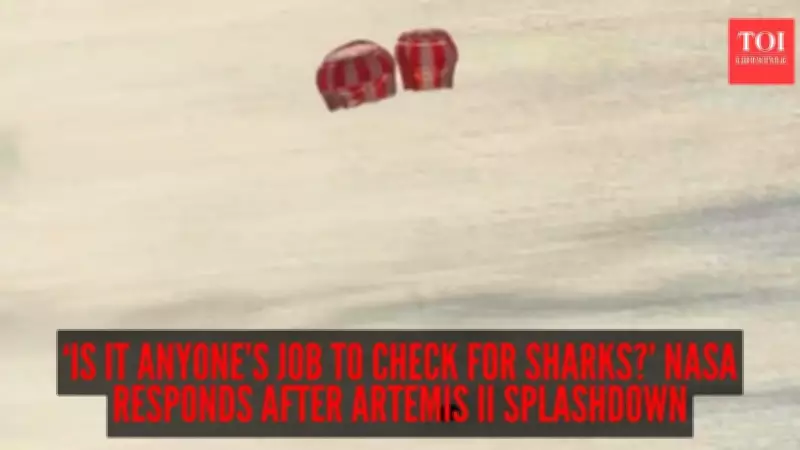
Following the capsule's landing in the Pacific Ocean, Chasten Buttigieg posed a question that resonated with many: "Watching the Artemis splashdown and just out of curiosity, is it anyone’s job to make sure there are no sharks?" This inquiry stood out due to its straightforward nature and relatability, as it tapped into a common curiosity that many people might have considered but not voiced publicly. The viral spread of this question highlighted how public engagement with major events often includes everyday concerns, adding a layer of human interest to complex space missions.
NASA Provides Clear and Direct Response
In response to the trending question, NASA addressed it with clarity and precision. The agency stated, "Yes – the recovery teams monitor the area so the only thing greeting the crew is the welcome party." This affirmation made it evident that the splashdown zone is rigorously monitored and managed as part of the comprehensive recovery process, ensuring astronaut safety from potential hazards, including marine life. NASA's prompt reply underscored its commitment to transparency and public communication, even on seemingly minor details.

Social Media Erupts with Humorous and Thoughtful Reactions
After NASA's response, social media platforms buzzed with continued discussion, as users shared their own humorous and insightful perspectives. One user commented, "The only thing NASA forgot to clear from the splashdown zone is curiosity. What does a shark think when a capsule falls from space?" Another pondered, "What will NASA do if they spot a shark? Scare off the shark?" A third individual shared, "My wife was also concerned and asked the same great question," while another quipped, "Imagine being the guy whose entire mission is just: 'please don’t let Jaws ruin space history'." These reactions showcased the playful and engaging side of public discourse around scientific endeavors.
Artemis II Crew Returns Safely with Textbook Landing
The Artemis II crew made a safe and smooth return to Earth, with their capsule executing a flawless splashdown in the Pacific Ocean, described by officials as a "textbook touchdown." Commander Reid Wiseman confirmed the crew's excellent condition post-landing, as reported by the BBC, stating, "What a journey," and adding, "We are stable one, four green crew members." This successful conclusion reaffirmed NASA's capabilities in manned space missions and set a positive precedent for future Artemis program launches.
Human Element Shines in Major Space Mission
While the Artemis II mission represents a critical advancement in space exploration, this episode revealed a simpler, more human aspect. It demonstrated how people connect with grand events through personal and relatable questions, such as concerns about sharks. This viral moment added a touch of everyday curiosity to a high-stakes space mission, reminding us that even in the realm of advanced science, public interest often revolves around basic, shared experiences. The blend of serious scientific achievement with lighthearted public engagement enriches the narrative of human spaceflight.