

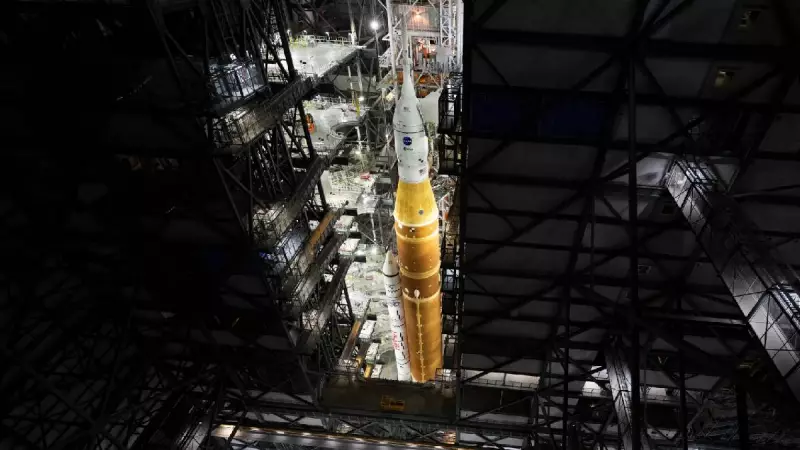
NASA Transports Artemis II Rocket to Launch Pad for Historic Moon Mission
NASA has taken a major step forward in its ambitious lunar program. The space agency moved the Artemis II rocket to the launch pad at Kennedy Space Center in Florida. This move signals the start of final preparations for a crewed mission to the moon. It is the first such mission in more than five decades.
Key Milestone Ahead of 2026 Launch
The rollout of the rocket is a critical milestone. NASA aims to launch Artemis II in 2026. This mission will carry astronauts around the moon. It builds on the success of the uncrewed Artemis I test flight. That flight took place in late 2022.
Engineers and technicians are now conducting extensive tests on the rocket. They are checking all systems to ensure safety and reliability. The Space Launch System (SLS) rocket and Orion spacecraft are central to this effort. These components must perform flawlessly for the crew's journey.

Preparations for Human Spaceflight
Moving the rocket to the pad allows for integrated testing. Teams will simulate launch conditions and practice countdown procedures. This process helps identify any issues before the actual launch. NASA emphasizes that crew safety is the top priority.
The Artemis program represents a new era of lunar exploration. It aims to land the first woman and the next man on the moon. Future missions plan to establish a sustainable presence there. This effort supports long-term goals for Mars exploration.
Global Interest and Technological Advances
This mission has captured global attention. Many countries are watching NASA's progress closely. Advances in rocket technology and spacecraft design are on display. The SLS rocket is the most powerful ever built by NASA. It can carry heavy payloads beyond Earth's orbit.
Scientists and space enthusiasts are eagerly awaiting the launch. The mission will provide valuable data for future deep space travel. It also inspires a new generation of explorers and innovators.
NASA's move of the Artemis II rocket marks a pivotal moment. The agency is on track to return humans to the moon after 50 years. The world will be watching as preparations continue toward the 2026 launch date.






