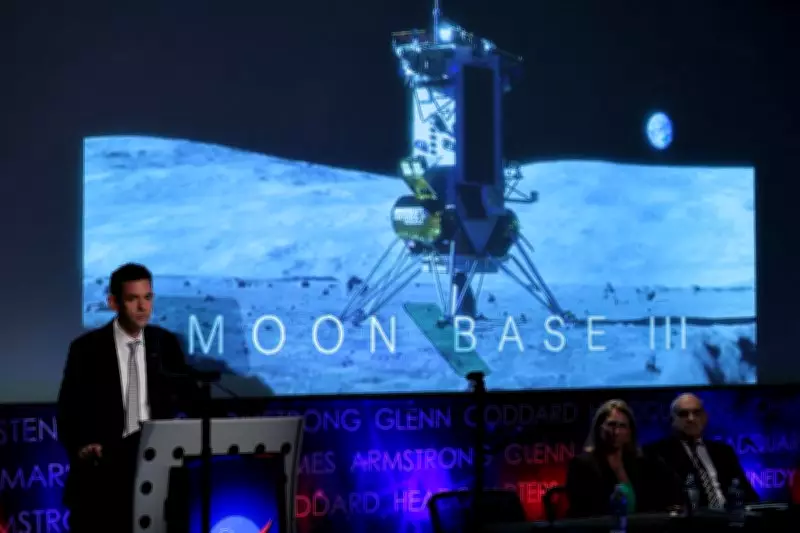
NASA has unveiled ambitious plans to construct the first permanent human base on the Moon, a landmark project that aims to establish a sustained human presence on the lunar surface. The agency's Artemis program, which seeks to land the first woman and the next man on the Moon by 2024, will serve as the foundation for this long-term endeavor.
Key Details of the Lunar Base
The proposed base, initially referred to as the Artemis Base Camp, will be located near the lunar south pole, an area rich in water ice that can be used for drinking, fuel, and oxygen. The base will consist of habitation modules, power systems, and landing pads, designed to support up to four astronauts for extended stays.
Phased Development Approach
NASA's plan unfolds in several stages. The first phase involves uncrewed missions to deliver infrastructure and supplies. Subsequent crewed missions will assemble the base and conduct scientific research. The ultimate goal is to create a self-sustaining outpost that can support long-duration missions and serve as a stepping stone for future Mars exploration.

International and Commercial Partnerships
The project will leverage partnerships with international space agencies and commercial companies. The European Space Agency, Japan Aerospace Exploration Agency, and Canadian Space Agency have already expressed interest. Private firms like SpaceX and Blue Origin are expected to provide cargo delivery and crew transport services.
Scientific and Economic Implications
The lunar base will enable groundbreaking research in astronomy, geology, and human physiology. It will also test technologies necessary for deep space travel, such as life support systems and in-situ resource utilization. Economically, the base could spur new industries, including lunar mining and tourism.
Challenges Ahead
Despite the ambitious timeline, significant challenges remain. These include developing reliable landing systems, protecting astronauts from radiation, and ensuring a stable power supply. NASA is also addressing the psychological impacts of long-term isolation on crews.
With this bold initiative, NASA aims to establish a permanent human foothold beyond Earth, opening a new era of space exploration and discovery.