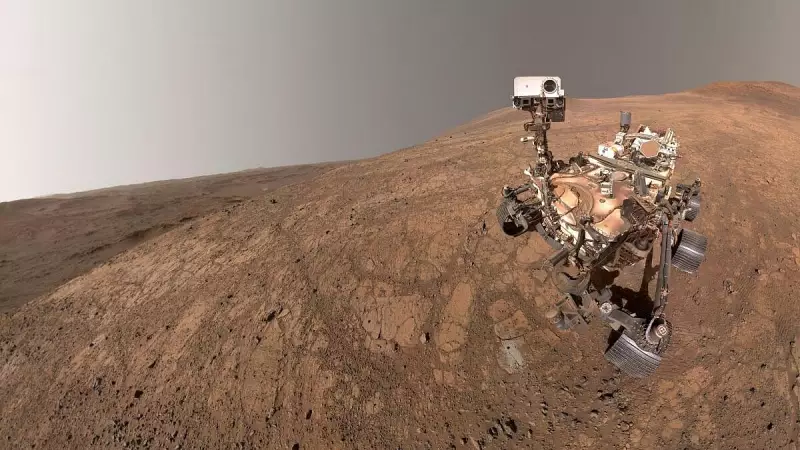
In a remarkable discovery that could transform our understanding of the Red Planet, NASA's Perseverance rover has detected electrical discharges creating what scientists are calling 'mini lightning' in the Martian atmosphere. This groundbreaking finding represents the first concrete evidence of such electrical activity on Mars and opens new avenues for research about the planet's environmental conditions.
The Science Behind Martian Electrical Discharges
The Perseverance rover, which landed on Mars in February 2021, made this startling discovery using its sophisticated instruments designed to study the planet's geology and atmosphere. The electrical discharges were detected during dust storms, when swirling dust particles create static electricity through friction - similar to how lightning forms on Earth during thunderstorms.
The research team observed that these electrical events are much smaller than terrestrial lightning, earning them the nickname 'mini lightning.' Unlike Earth's dramatic cloud-to-ground lightning strikes, the Martian versions occur within dust clouds and create subtle electrical fields that Perseverance's sensors could detect.

Scientists from the University of Oregon and NASA's Jet Propulsion Laboratory collaborated on analyzing the data. They confirmed that the electrical activity is directly linked to dust movements in the thin Martian atmosphere. This discovery challenges previous assumptions that Mars lacked significant electrical phenomena due to its thin atmosphere and dry conditions.
Implications for Future Mars Exploration
This finding has profound implications for both scientific understanding and future human exploration of Mars. The presence of electrical discharges could affect how we design equipment and habitats for future missions, as static electricity might pose risks to electronic instruments and human safety.
The discovery also raises intriguing questions about Martian weather patterns and whether these electrical events could influence atmospheric chemistry. Researchers speculate that these discharges might even play a role in forming certain minerals or chemical compounds on the planet's surface.
Furthermore, understanding Martian electrical activity becomes crucial for planning crewed missions. Astronauts would need protection from potential electrical hazards during dust storms, which are common seasonal occurrences on Mars.
What This Means for the Search for Life
While the electrical discharges themselves don't directly indicate life, they contribute to our understanding of Martian environmental conditions. The energy from these electrical events could potentially drive chemical reactions that might support microbial life, similar to how lightning on early Earth may have contributed to the formation of organic molecules.
Scientists emphasize that this discovery adds another piece to the complex puzzle of Mars' habitability potential. The Perseverance rover continues its mission in Jezero Crater, an area believed to have once hosted a lake and river delta, making it an ideal location to search for signs of ancient microbial life.
As the rover collects more data about these electrical phenomena, researchers hope to determine how frequently they occur and whether they vary by season or location. This information could reveal new insights about Martian climate dynamics and help prepare for future robotic and human exploration.