NASA Prepares for Historic Crewed Moon Mission with Artemis II SLS Rollout
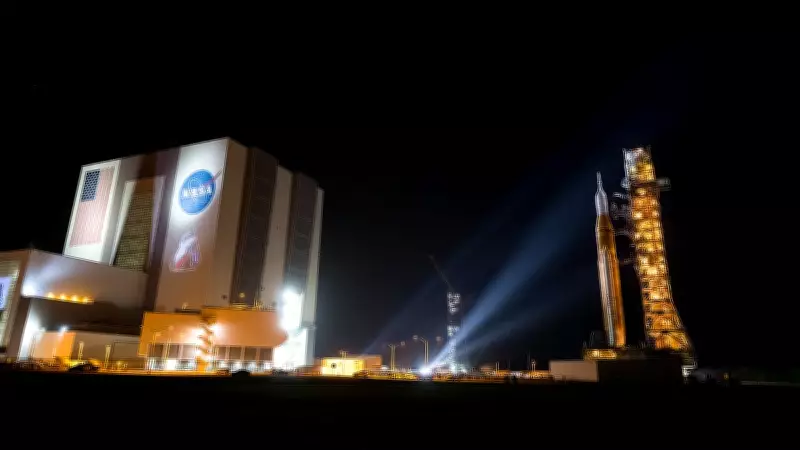
In a significant milestone for space exploration, NASA has officially rolled out the Space Launch System (SLS) rocket for the Artemis II mission. This event marks a crucial step toward the first crewed journey to the Moon since the Apollo era ended in 1972. The rollout took place at NASA's Kennedy Space Center in Florida, where the massive rocket was transported to the launch pad for final testing and preparations.
Artemis II: A New Chapter in Lunar Exploration
The Artemis II mission is designed to send a crew of astronauts on a lunar flyby, orbiting the Moon without landing. This mission serves as a critical test of the SLS rocket and the Orion spacecraft, ensuring their readiness for future lunar surface missions under the Artemis program. NASA aims to launch Artemis II in the coming years, with the goal of paving the way for sustained human presence on the Moon and eventual missions to Mars.
Key objectives of Artemis II include:

- Validating the performance of the SLS rocket and Orion spacecraft with a crew onboard.
- Testing life support systems and other critical technologies in deep space.
- Providing astronauts with firsthand experience of the lunar environment.
The Space Launch System: Powering the Next Generation of Space Travel
The SLS rocket is the most powerful launch vehicle ever built by NASA, capable of generating over 8.8 million pounds of thrust. It is specifically designed for deep space missions, including those to the Moon and beyond. For Artemis II, the SLS will propel the Orion spacecraft and its crew on a trajectory to the Moon, demonstrating its reliability and power in a crewed configuration.
NASA officials have emphasized that the rollout is a testament to years of engineering and collaboration, highlighting the agency's commitment to advancing human spaceflight. The SLS represents a cornerstone of NASA's exploration strategy, enabling missions that were once considered science fiction.
Historical Context and Future Implications
The last crewed mission to the Moon was Apollo 17 in 1972, making Artemis II a historic endeavor to return humans to lunar vicinity after more than five decades. This mission is part of NASA's broader Artemis program, which aims to land the first woman and the next man on the Moon by the mid-2020s. Success in Artemis II will be pivotal for achieving these goals and for fostering international partnerships in space exploration.
Looking ahead, NASA plans to use insights from Artemis II to refine technologies for Artemis III, which will involve a lunar landing. The agency also envisions the Artemis program as a stepping stone for future crewed missions to Mars, with the SLS playing a key role in these ambitious plans.