

The Human Engine Behind NASA's Lunar Ambitions
While technological marvels capture headlines, every successful space mission rests on the shoulders of dedicated individuals whose contributions often remain in the shadows. NASA's ambitious Artemis program, which aims to return humans to the Moon and establish a foundation for eventual Mars exploration, exemplifies this truth. Behind the rockets and spacecraft are countless professionals like Dan Florez, whose story reveals the passion and perseverance fueling humanity's celestial ambitions.
Meet Dan Florez: The Quiet Force of Artemis
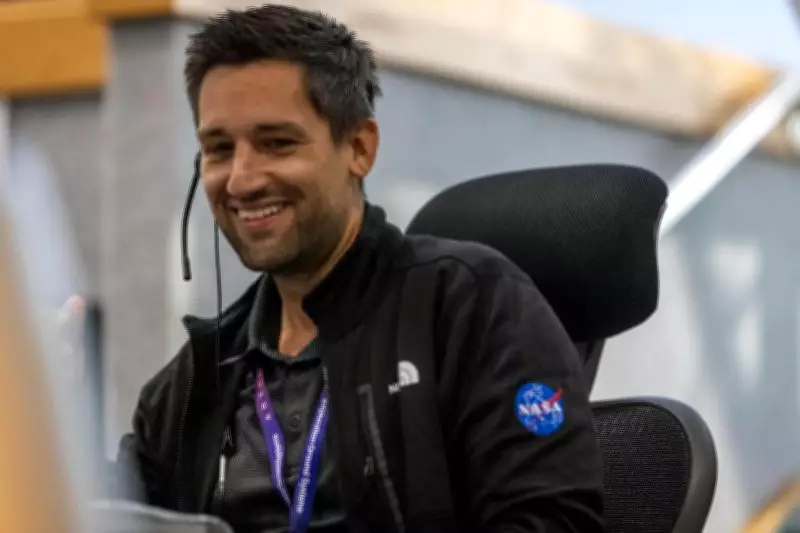
Dan Florez serves as NASA's test director for Exploration Ground Systems, playing a crucial role in the Artemis mission framework. In a recent NASA blog post, Florez shared insights into his involvement, highlighting that space exploration is fundamentally a collective endeavor. "Artemis isn't about one person's achievement," Florez emphasized. "It's about being part of something much larger than yourself—a sentiment echoed throughout NASA's culture."
His narrative underscores that obstacles in such monumental projects are inevitable but should be viewed as valuable learning experiences rather than setbacks. This perspective is vital for maintaining momentum in complex missions where challenges arise regularly.

Teamwork: The Cornerstone of Space Exploration
Florez's account stresses that collaboration is non-negotiable in the space industry. The Artemis mission, he notes, represents the culmination of diverse expertise working in unison. NASA intentionally showcases team members' backgrounds and motivations to demonstrate how individual journeys converge into shared goals. Florez's path reflects NASA's broader emphasis on diversity, cooperation, and resilience—qualities essential for overcoming the immense hurdles of space travel.
"I take immense pride in contributing to a mission that's reshaping exploration's future," Florez stated. He believes Artemis transcends lunar landings; by enabling human presence on the Moon, it inspires future generations to pursue science, technology, engineering, and mathematics (STEM) fields. This aligns perfectly with NASA's objective to foster public interest in STEM through relatable human stories.
Why Personal Narratives Matter in Space Science
Although technological advancements dominate discussions about space missions, it's the human element—embodied in stories like Florez's—that ultimately drives success. Personal accounts create connection points, making the intricacies of space exploration accessible and demonstrating that achievements stem from passionate individuals committed to a common vision.
NASA recognizes the power of storytelling to demystify its work and engage the public. The Artemis program, therefore, is not merely a robotic or celestial undertaking; it's a unifying endeavor that brings people together around a shared dream of discovery. Florez's testimony illustrates how teamwork transforms ambitious blueprints into tangible progress, reminding us that behind every giant leap are countless small steps taken by dedicated teams.
In an era where space exploration captures global imagination, remembering the human stories behind the missions ensures we appreciate the full spectrum of effort required to reach new frontiers. Dan Florez and his colleagues exemplify the quiet dedication powering humanity's return to the Moon—and beyond.






