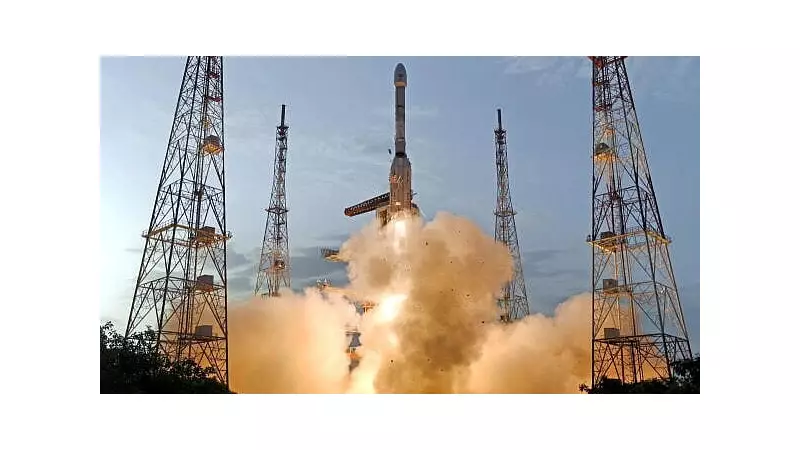
In a groundbreaking development for space technology and international cooperation, the Indian Space Research Organisation (ISRO) has set November 7 as the official operational date for the highly anticipated NASA-ISRO SAR (NISAR) satellite. This announcement comes directly from ISRO Chairman S Somanath, marking a significant milestone in the collaborative space efforts between India and the United States.
A New Era in Earth Observation
The NISAR satellite, developed through joint efforts of NASA and ISRO, represents one of the most sophisticated Earth observation systems ever created. Once operational, this advanced satellite will revolutionize our understanding of Earth's ecosystems, ice masses, and land surfaces through its cutting-edge synthetic aperture radar technology.
Technical Marvel and Strategic Importance
What makes NISAR particularly remarkable is its dual-frequency radar system, capable of capturing incredibly detailed images of our planet's surface regardless of weather conditions or time of day. This capability positions India and the United States at the forefront of global Earth monitoring and climate change research.

The satellite's primary mission objectives include:
- Monitoring Earth's changing ecosystems
- Tracking dynamic surface processes
- Measuring vegetation biomass
- Observing sea level changes
- Monitoring natural hazards including earthquakes and tsunamis
Global Impact and Scientific Significance
The declaration of NISAR as operational on November 7 signifies more than just another satellite launch—it represents a new chapter in global Earth observation. The data collected by NISAR will provide unprecedented insights into climate change patterns, natural disaster prediction, and environmental monitoring that will benefit scientists and policymakers worldwide.
This collaboration demonstrates how international partnerships in space technology can lead to advancements that serve all of humanity, stated sources close to the project. The successful deployment and operational status of NISAR underscore India's growing prowess in space technology and its ability to collaborate on equal footing with established space powers.
Future Implications for Space Research
As November 7 approaches, the global scientific community watches with anticipation. The operational status of NISAR not only strengthens the strategic partnership between India and the United States but also opens new possibilities for future collaborative space missions that could further expand our understanding of Earth and beyond.