Revolutionary Method Converts Peanut Waste into High-Performance Graphene
In a groundbreaking development that could transform energy storage, researchers at UNSW Sydney have pioneered an innovative technique to convert low-value peanut hull waste into high-quality graphene for lithium-ion batteries. This sustainable approach utilizes advanced flash Joule heating technology to produce super-conductive graphene nanomaterials in mere seconds, potentially slashing manufacturing costs for electric vehicle batteries and portable electronics while creating new revenue streams for farmers in peanut-producing nations.
Two-Step Thermal Process Creates Conductive Graphene
The UNSW method involves a sophisticated two-step thermal process that begins with pre-treating peanut shells at 500 degrees Celsius to generate a carbon-rich char. This material then undergoes flash Joule heating at an astonishing 3,000 degrees Celsius, where a high-voltage electrical current rearranges atoms into conductive graphene structures. Unlike traditional carbon generation methods that are energy-intensive and chemically dependent, this innovative approach produces graphene rapidly and efficiently from agricultural waste that would otherwise be discarded.
Addressing Global Energy Storage Demands
The research responds to increasing worldwide demand for more efficient energy storage solutions. Conventional lithium-ion batteries rely on graphite as anode material, which requires either expensive mining operations or costly synthetic production processes involving chemicals. The peanut-derived graphene offers a superior alternative with higher surface area, enhanced conductivity, and greater stability than traditional graphite anodes. Laboratory tests confirm these graphene sheet anodes could enable faster charging for mobile devices and extend the lifespan of electric vehicle battery cells significantly.

Tackling a 15-Million-Tonne Waste Crisis
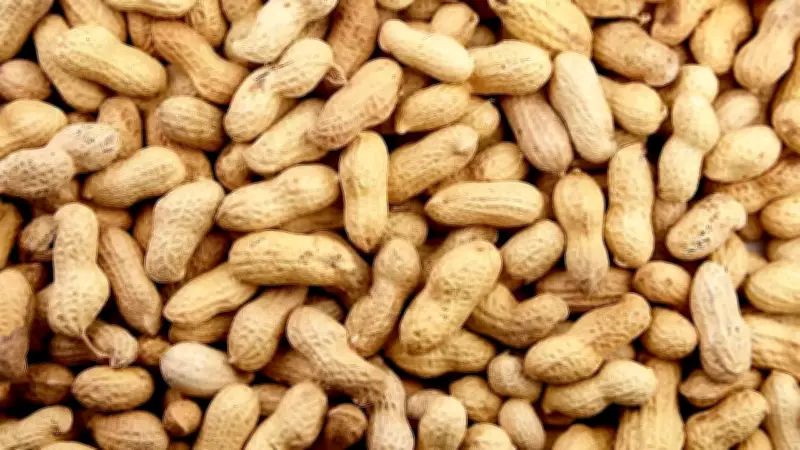
The environmental implications of this innovation are substantial. According to research published in Chemical Engineering Journal Advances, global peanut production generates approximately 15 million tonnes of shell waste annually, much of which is either incinerated or left to decompose in landfills, contributing to greenhouse gas emissions. This breakthrough demonstrates how peanut shell waste can be diverted into a circular economy model, transforming agricultural byproducts into valuable nanomaterials while reducing dependence on non-recyclable mined graphite.
Commercial Viability and Future Applications
The resulting "Green Graphene" exhibits exceptional electrical conductivity and can be produced at remarkably low energy costs of just 1.30 US dollars per kilogram, making it commercially competitive with synthetic graphite. This development represents a significant advancement toward environmentally friendly energy storage systems and demonstrates how agricultural waste can serve as a viable resource for advanced technology, digital infrastructure, and sustainable industrial innovation. The process not only addresses massive waste management challenges but also creates important raw materials for the electronics industry, potentially revolutionizing how we approach both energy storage and agricultural waste utilization.