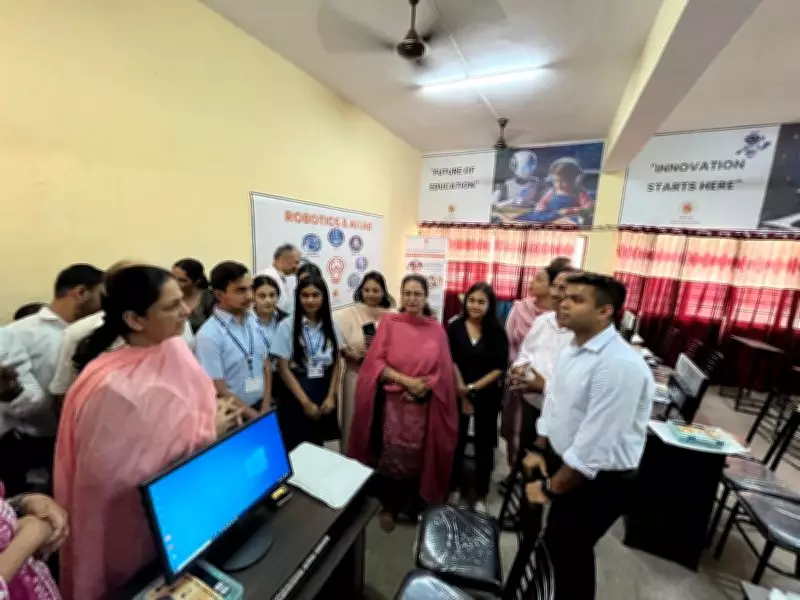
In a remarkable display of innovation and collaboration, five students from private schools in Ludhiana have developed advanced technological solutions for the Punjab Agricultural University (PAU) and a government institute. The students, hailing from grades 11 and 12, worked under the mentorship of experts to create tools that promise to revolutionize agricultural research and practices.
Innovations in Precision Agriculture
The team designed a low-cost soil nutrient sensor that can analyze key parameters like nitrogen, phosphorus, and potassium levels in real time. This device, integrated with IoT technology, transmits data directly to a mobile app, enabling farmers and researchers to make informed decisions about fertilizer application. Another notable creation is an automated irrigation system that uses weather forecast data and soil moisture sensors to optimize water usage, reducing wastage by up to 30%.
Drone-Based Crop Monitoring
The students also developed a drone equipped with multispectral cameras to monitor crop health. The drone captures images that are processed using machine learning algorithms to detect early signs of pest infestation, nutrient deficiency, or water stress. This technology allows PAU scientists to survey large fields quickly and accurately, enhancing their research on sustainable farming methods.

Collaboration with Government Institute
In addition to the agricultural innovations, the students created a data analytics platform for a local government institute. The platform streamlines the analysis of public health data, helping officials track disease outbreaks and allocate resources efficiently. The project involved developing user-friendly dashboards and predictive models that can forecast trends based on historical data.
Recognition and Future Plans
The students presented their projects at a state-level science fair, where they received accolades from education officials and industry leaders. PAU has expressed interest in deploying the soil sensor and drone system in their experimental farms. The students plan to refine their prototypes and seek patents for their inventions. They also aim to mentor other young innovators through workshops and online tutorials.
This initiative underscores the potential of young minds to address real-world challenges through technology. By bridging the gap between academia and industry, these students have set a precedent for future collaborations that can drive agricultural and societal progress.