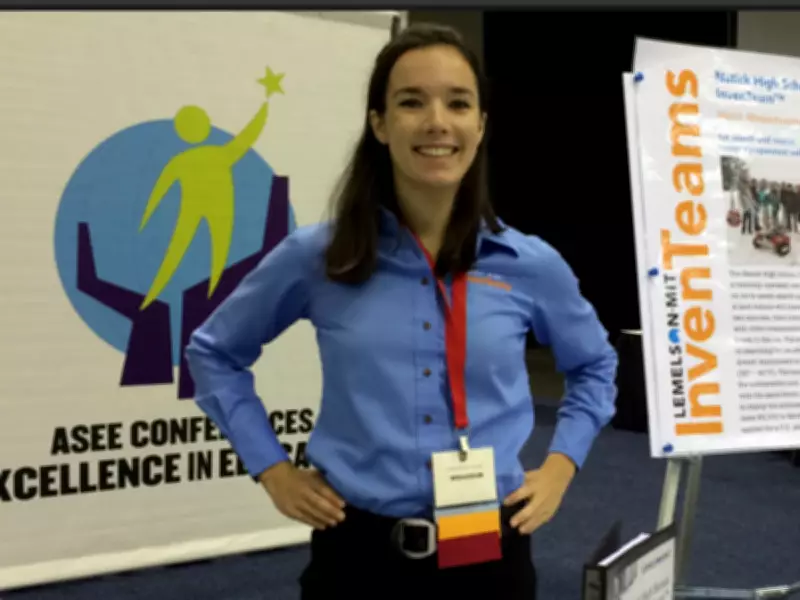
A remarkable innovation has emerged from a high school classroom in Massachusetts, where a team of students, including 16-year-old Katelyn Sweeney, has successfully patented a remote-controlled underwater robot designed specifically for under-ice search and rescue operations. This invention addresses one of the most dangerous rescue environments imaginable: the freezing, low-visibility waters beneath ice.
From Classroom to Patent
The project began as a collaboration between students at Natick High School and the Natick Fire Department. The team designed, built, tested, and later patented a "Search and Rescue Robot" tailored for under-ice rescues. According to the United States Patent and Trademark Office (USPTO), the robot is a remotely operated multi-component system that aids rescue divers by exploring hazardous underwater zones before humans enter.
The idea stemmed from interactions with local firefighters, who highlighted the challenges of ice-covered water rescues, including cold temperatures, poor visibility, and limited access. The students aimed to create a practical solution that prioritizes safety by sending a machine into danger first.

Recognition at the White House
The innovation gained national attention when Sweeney and fellow student Olivia Van Amsterdam were invited to the 2014 White House Science Fair by President Obama. This event showcased their prototype, which had evolved from a theoretical concept to a functional device with real-world applications. The Lemelson-MIT Program later confirmed that the Natick High School InvenTeam received a US patent for their invention, marking a significant milestone for a school project.
Why Under-Ice Robots Matter
Underwater robots are widely used in hazardous environments, but under-ice operations present unique challenges. Diving beneath ice involves risks such as disorientation, hypothermia, and entrapment. By deploying a robot first, rescue teams can assess conditions, locate victims, and plan safer interventions. This technology builds on precedents like MIT's use of robots under Arctic ice for environmental research, though Sweeney's robot is specifically designed for rescue missions.
A Student Project with Real-World Impact
What sets this project apart is its clear purpose and institutional recognition. The robot was not just a theoretical exercise but a response to a genuine public safety need. The involvement of the Natick Fire Department grounded the project in reality, ensuring the design addressed practical challenges. For Katelyn Sweeney, contributing to a life-saving machine at age 16 demonstrates a rare blend of technical skill and civic responsibility.
The patent, awarded by the USPTO and documented by MIT News and Lemelson-MIT, underscores the project's significance. It serves as an inspiring example of how young innovators can tackle complex problems and create solutions that protect lives.