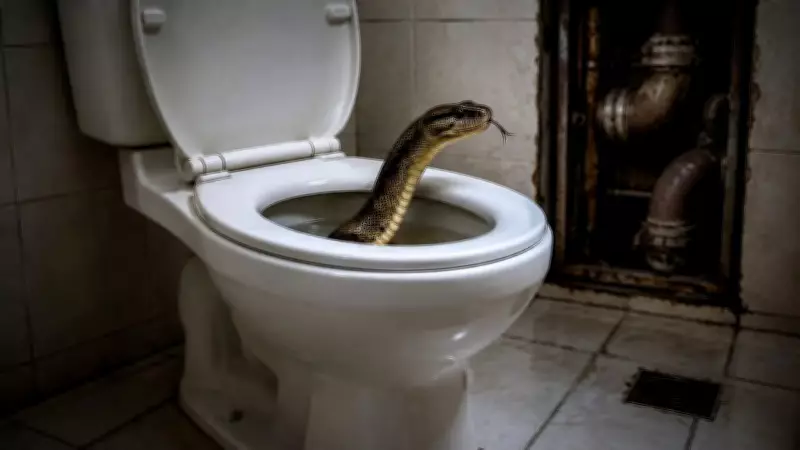
Snakes navigate their environment purely by instinct, driven by three essential needs: food, water, and shelter. They do not recognize human spaces as distinct from the wild nor deliberately enter buildings. Instead, their movements follow survival imperatives.
Instincts Behind Snake Movement
Food is the strongest motivator. Snakes prey on small creatures like rats, frogs, and lizards. In urban areas, poor sanitation and waste accumulation boost rodent populations, attracting snakes. Water is equally vital, especially in hot climates, prompting snakes to seek moist spots such as drains and underground pipes. Shelter completes the trio: snakes prefer dark, quiet, protected areas, which urban infrastructure like pipes and sewers readily provide.
How Urban Drainage Systems Become Snake Pathways
Modern cities have extensive underground plumbing connecting buildings to sewage systems. These pipes often intersect with natural drainage paths, especially in older infrastructure. Snakes follow prey like frogs and rats along these routes, moving through damp, confined spaces without knowing their destination. The pipe network links outdoor drainage directly to building interiors, allowing snakes to venture indoors accidentally.

Why Toilet Sightings Occur
Toilets are not entry points but endpoints in the plumbing network. Modern toilets have water traps that block gases and animals. Under exceptional circumstances—such as fluctuating water levels, pressure changes, or gaps—a snake already in the pipe may bypass the trap and emerge from the toilet bowl. This is not intentional but a result of following the path of least resistance.
Environmental Triggers
Heavy rainfall is a common trigger. Flooding forces snakes from burrows into drainage pipes. Extreme temperatures also drive them: heat sends them seeking shade, while cold pushes them into warmer underground tunnels.
Role of Rodents
Rodent activity is a key indirect factor. Rats thrive in sewers and drains, providing a food source that attracts snakes. Snakes entering these systems are typically tracking prey, not exploring randomly.
Misconceptions and Reality
Bathrooms are not true targets for snakes; they offer no food or shelter. Appearances result from accidental navigation through connected pipes. Snakes operate on instinct, not spatial awareness, so they cannot distinguish between an outdoor drain and an indoor toilet.
While such incidents are rare, they attract media attention due to their shocking nature. Properly sealed plumbing systems in modern buildings make these events almost impossible. They are more likely in older infrastructure, poorly maintained buildings, or areas near natural habitats.
Understanding snake behavior helps reduce fear. These creatures are not invaders but accidental visitors, following ancient instincts in a world transformed by human construction.