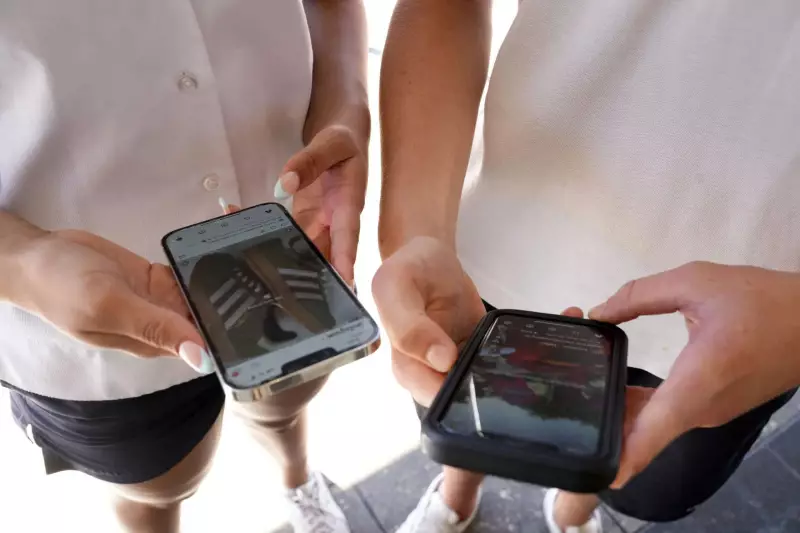
In a landmark move with potential global repercussions, Australia has initiated a ban on social media access for children under the age of 16. The country's internet regulator positions this as the first crucial step in a worldwide effort to curb the influence of major technology giants, including Meta (owner of Instagram, Facebook, and Threads), TikTok, Snap's Snapchat, and Alphabet's YouTube.
The Tipping Point for Regulation
Julie Inman Grant, the eSafety Commissioner, declared at the Sydney Dialogue cyber summit that a "tipping point" has been reached. She revealed that while she initially had reservations about the "blunt-force" nature of the prohibition, her stance changed after witnessing the ineffectiveness of incremental changes in regulating these platforms.
"Our data is the currency that fuels these companies, and there are these powerful, harmful, deceptive design features that even adults are powerless to fight against. What chance do our children have?" Grant stated, highlighting the core concern driving the legislation.

Big Tech Compliance and Global Domino Effect
The Australian law officially takes effect on December 10. In the lead-up to this deadline, the major social media platforms have agreed to comply with the new rules. The eSafety Commissioner's office reported that approximately 96% of Australian teenagers under 16, equating to over a million users, currently hold social media accounts.
According to reports, Meta's platforms—Instagram, Facebook, and Threads—began deactivating hundreds of thousands of accounts on Thursday, December 4. Most other affected platforms have advised underage users to download their data and have given them the option to either delete their accounts or freeze them until they turn 16.
International Pushback and Scrutiny
Commissioner Inman Grant described the Australian legislation as the "first domino" in a global regulatory shift, noting that governments around the world are closely monitoring its implementation. She suggested that this anticipated domino effect is likely the reason behind the intense "pushback" from the platforms.
This resistance included significant lobbying efforts that reached the US government. Inman Grant disclosed that she has been asked to testify before the U.S. Congressional House Judiciary Committee. Some critics have framed the Australian law as an attempt to exert extra-territorial power over American free speech, a claim that will likely be a point of discussion during her testimony.
The bold move has been welcomed by many parents in Australia who are concerned about the impact of social media on young minds. As the December 10 deadline arrives, all eyes are on Australia to gauge the real-world impact of this unprecedented regulatory step and its potential to inspire similar actions globally.