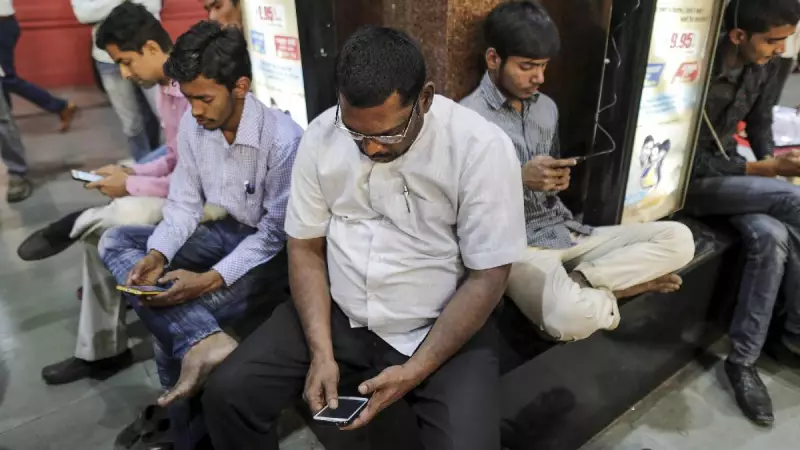
Indian mobile phone users should prepare their wallets for a significant change in their monthly expenses. The Telecom Regulatory Authority of India (TRAI) has announced a major revision in tariff structures that will directly impact the cost of mobile recharges across the country.
Understanding the Upcoming Tariff Revision
The regulatory body has confirmed that a 15% increase in mobile recharge prices will be implemented starting from June 2026. This decision is not an immediate shock but a planned adjustment set for the future, giving consumers and telecom operators considerable time to prepare for the transition.
This hike is part of a broader regulatory review aimed at ensuring the long-term financial health and sustainability of the telecom sector in India. The sector has undergone tremendous changes with the advent of 5G technology, massive data consumption, and the need for continuous network upgrades.

Why is TRAI Mandating This Price Increase?
The primary driver behind this scheduled hike is the need to maintain a healthy Average Revenue Per User (ARPU) for telecom service providers. ARPU is a critical metric that indicates the average monthly revenue a company earns from each user. A sustainable ARPU is essential for operators to invest in network infrastructure, new technology like 5G and beyond, and overall service quality.
For years, India has boasted some of the lowest mobile data tariffs in the world. While beneficial for consumers, this ultra-competitive pricing has squeezed operator margins, potentially affecting their ability to fund future capital expenditures. The TRAI's move is seen as a balancing act to ensure the industry's viability while managing consumer impact.
What This Means for the Average Mobile User
The direct consequence for millions of prepaid and postpaid users will be higher monthly bills. For instance, a popular recharge plan that currently costs Rs. 299 is expected to rise to approximately Rs. 344. Similarly, a Rs. 599 plan could go up to around Rs. 689. This increase will apply across various plan categories, including voice, data, and combo packs.
Consumers are advised to review their current mobile usage and plan subscriptions well before the implementation date. It may become prudent to opt for longer-validity plans before June 2026 or reassess data consumption patterns to optimize costs. The hike underscores a shift from the era of ultra-cheap data to a phase where pricing more closely reflects the cost of delivering advanced telecom services.
The Broader Impact on India's Telecom Landscape
This scheduled tariff revision is expected to have a ripple effect beyond individual phone bills. A stronger financial position for telecom companies could lead to:
- Accelerated 5G rollout and infrastructure development in rural and remote areas.
- Greater investment in network resilience and disaster management capabilities.
- Enhanced focus on customer service and innovation in value-added services.
Furthermore, this move signals a maturing telecom market. The fierce price wars that characterized the past decade may give way to competition based more on network quality, service reliability, and technological innovation. The three years' notice period is strategic, allowing for a gradual market adjustment rather than a sudden shock.
In conclusion, while the 15% mobile recharge price hike effective June 2026 will undoubtedly increase the cost of connectivity for Indians, it is framed by regulators as a necessary step for the sector's future-proofing. Users have a clear timeline to adapt their budgets and usage habits, and the industry gets a roadmap for sustainable growth. All stakeholders will be watching closely as this deadline approaches, marking a new chapter in India's dynamic telecom story.